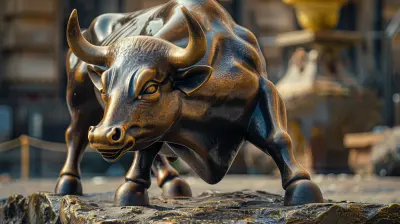
Commodity Prices and Deflation: A Closer Look
27 May 2026
Welcome, curious mind. Grab your favorite cup of coffee (or tea—it’s all love here), because we’re about to unpack something that sounds daunting but is super relevant to your everyday life: commodity prices and deflation.
Yeah, I know, it doesn’t exactly scream “Netflix binge-worthy,” but stay with me. These two economic forces might be silent whispers in the background, but they’re constantly shaping the prices you pay, the value of your dollar, and even the fate of whole nations. So, buckle up—we're diving deep, but I promise to keep it breezy and poetic.
What Are Commodity Prices, Really?
Alright, let’s start from the top.When we talk about commodity prices, we’re referring to the going rates for raw materials like oil, gold, wheat, coffee, and metals. They’re the bones and sinews of the global economy. Before your bag of chips hits the shelf, there’s corn to be grown, oil to transport it, and aluminum to make the packaging. Every little thing starts with something basic—and that basic "something" has a price.
And guess what? Those prices are anything but stable.
Commodity prices bounce around like a beach ball in a hurricane. They're influenced by everything from supply chain hiccups to global political drama, weather events, and even pandemics (yup, we’ve seen that movie).
The Whispers of Deflation
Now, let’s meet the other player in our story: deflation.Sounds like a balloon losing air, right? That's kind of what it is—economically speaking. We're talking about a sustained decrease in the general price level of goods and services.
Not just a short-lived sale or one-day discount. Deflation creeps in when prices drop steadily over time, and while that might sound like music to our consumer ears (cheaper stuff? Yes, please!), it’s not exactly a party.
Why? Because deflation usually means demand is down. People are spending less, companies earn less, they lay off workers, workers stop spending, and the cycle keeps spiraling downward like a sad dance no one wants to join.
When Commodity Prices Fall: Is Deflation Knocking?
So, what happens when commodity prices tumble?It’s a complex dance. When the price of oil or wheat drops significantly, it can trigger a ripple effect across the entire economy. Transportation gets cheaper, food costs less, manufacturing expenses shrink.
But here’s the kicker: if these prices keep dropping and don’t bounce back, they can drag the entire price level down with them. And boom—we might be in deflation territory.
Let’s take oil for an example. It's not just fuel in your car—it’s in plastics, delivery trucks, even the roads we drive on. A slump in oil prices can feel like a tax cut, freeing up cash for consumers. But for oil-producing countries or companies? It's a sledgehammer to the kneecaps. Layoffs, budget deficits, and economic contraction come knocking.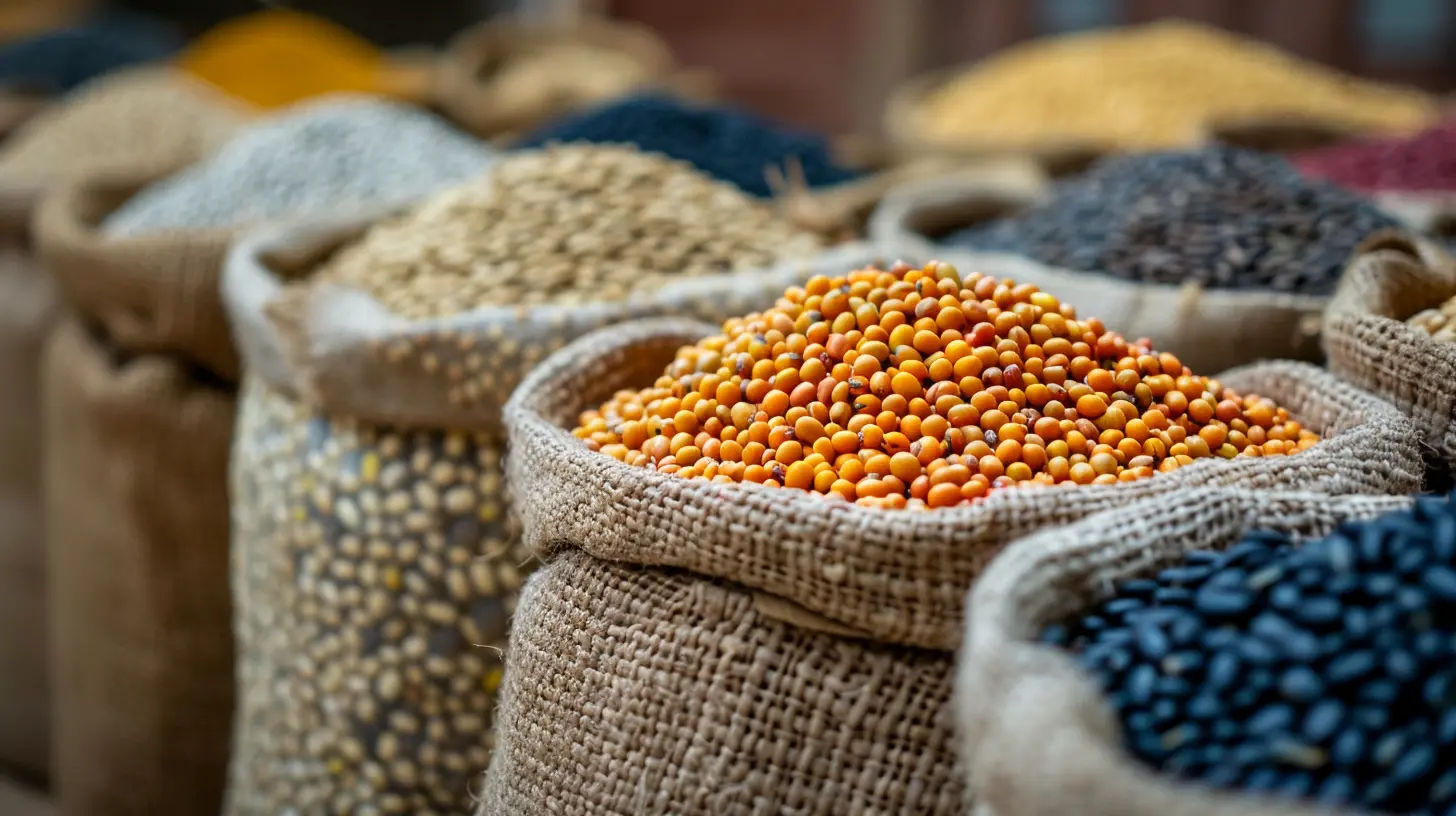
Chicken or the Egg: Do Falling Commodity Prices Cause Deflation?
Here’s where it gets interesting (and maddening). Economists love to argue over this chicken-and-egg problem.Does deflation cause commodity prices to fall, or do falling commodity prices lead to deflation?
There's no one-size-fits-all answer. Sometimes it’s both, sometimes it’s neither, and sometimes it’s a tangled mess of global forces pulling each other in weird directions. Like a game of economic Twister.
Let’s say a slow economy is causing people to spend less—less demand leads to lower commodity prices. In that case, deflation may have started the fire.
But if oversupply causes oil prices to crash, and that crash pulls down prices elsewhere? Then lower commodity prices are setting off the deflation alarm.
Case Studies: Echoes in the Economic Hallway
Let’s take a brief stroll down memory lane.1. The 2008 Financial Crisis
Ah yes, the infamous 2008 crisis—a domino game gone wrong. Oil prices plunged from over $140 per barrel to under $40 in a few months. Demand dropped off a cliff, and deflationary fears spiked. The global economy was reeling.2. The 2014-2016 Oil Glut
OPEC members went toe-to-toe in a price war while U.S. shale production exploded. Boom! Oil prices tanked. Inflation rates around the world dipped dangerously close to zero. Central banks scratched their heads and cut interest rates like they were trimming hedges.3. COVID-19 Pandemic
Who could forget this one? Demand worldwide collapsed. Commodity prices—especially oil—plummeted. For a hot second, crude oil futures even turned negative (yes, they were literally paying people to take oil off their hands). Deflationary threats loomed large until governments stepped in with massive stimulus packages.The Deflation Domino Effect
Let’s imagine deflation as a cold breeze that starts blowing through an economy. At first, it feels like relief—prices are falling, and your dollar stretches further.But that breeze turns chilly quickly.
- Consumer Spending Drops: “Why buy today when it’ll be cheaper tomorrow?”
- Business Profits Shrink: Lower prices = lower revenue.
- Layoffs Begin: To cut costs, companies start reducing staff.
- Debt Becomes Heavier: When prices fall, the real value of debt rises—it gets harder to pay back what you owe.
- Investment Slows: Why pour money into a business if profits are expected to dwindle?
All this because some prices started falling? You bet.
The Role of Central Banks: The Economic Lifeguards
When deflation rears its head, central banks don’t just sit back and sip coffee.They slash interest rates, inject liquidity, and even buy bonds in what's called quantitative easing. The idea? Make money so cheap and accessible that people spend more, borrow more, and hopefully goose inflation a little higher.
But here’s the catch: when commodity prices keep circling the drain, even the most aggressive moves by central banks can fall flat. You can’t push a rope, as the saying goes.
Investing During Deflation: Friend or Foe?
If you’re wondering what this means for your wallet or portfolio, you’re not alone.During deflationary periods:
- Cash is king. Why? Because its purchasing power increases.
- Bonds get a boost. Falling interest rates mean older bonds with higher yields look pretty attractive.
- Stocks can suffer. Lower revenues from businesses hurt equities.
- Gold? It depends. Sometimes it's a safe haven; sometimes it just sits there.
Now, commodities themselves—this is tricky. While they're often seen as inflation hedges, during deflation, they tend to underperform. Oversupply or weak demand crushes prices, and nobody walks away happy—unless you’re short-selling.
A Song of Balance: When Inflation and Deflation Dance
It’s not always an all-or-nothing scenario. Sometimes, different parts of the economy experience both at once.Picture this: housing prices in the city skyrocket (inflation), while grocery prices drop (deflation). Or, oil becomes dirt cheap, but healthcare costs? Through the roof.
This push-and-pull is what economists call disinflation, and it's like walking a tightrope. One misstep, and you’re diving into deflation—or worse, stagflation, where economic growth stalls while prices rise. Yikes.
Commodities and the Future: What Lies Ahead?
So what can we expect next?Climate change, geopolitical tension, technological innovation—these are all reshaping the commodity markets. Energy is going green. Agriculture is fighting weather extremes. Supply chains are being rewritten in real-time.
Commodity prices will continue to oscillate, sometimes wildly. And with that, the deflation discussion won’t be disappearing any time soon.
Smart investors, thoughtful policymakers, and everyday consumers (that’s you) all need to stay tuned. Because whether you’re filling up your gas tank, buying groceries, or planning your retirement—commodity prices and deflation are part of your story now.
Final Thoughts: A Poem for the Prices
Beneath the numbers, charts, and trade,A subtle economic song is played.
A rise, a fall, a quiet churn,
Commodity prices twist and turn.
And when, like leaves, they flutter down,
Deflation’s chill can sweep the town.
But knowledge warms, and now you see,
The dance of price and policy.
So watch the oil, the wheat, the ore,
For in their shifts, the world keeps score.
all images in this post were generated using AI tools
Category:
Deflation ConcernsAuthor:

Alana Kane
Discussion
rate this article
1 comments
Courtney Ramos
Commodity prices are the heartbeat of the economy. Deflation may seem like a relief, but it signals deeper issues. Ignoring the trends could lead to a financial storm. Stay alert and informed. Don't get caught off guard.
June 2, 2026 at 3:30 AM