Can You Predict the Next Stock Market Crash?
24 February 2026
The stock market is full of surprises—sometimes it soars, making investors feel like financial geniuses, and other times, it plunges, leaving portfolios in ruins. If only we could predict the next stock market crash, right?
It’s a question that haunts every investor: Is there a way to see a crash coming before it happens? While many financial experts try to foresee downturns, history shows that predicting crashes with absolute certainty is nearly impossible. But that doesn't mean we can't spot warning signs.
In this article, we’ll dive deep into market crashes, discuss historical patterns, and explore warning signals that might indicate when trouble is brewing.
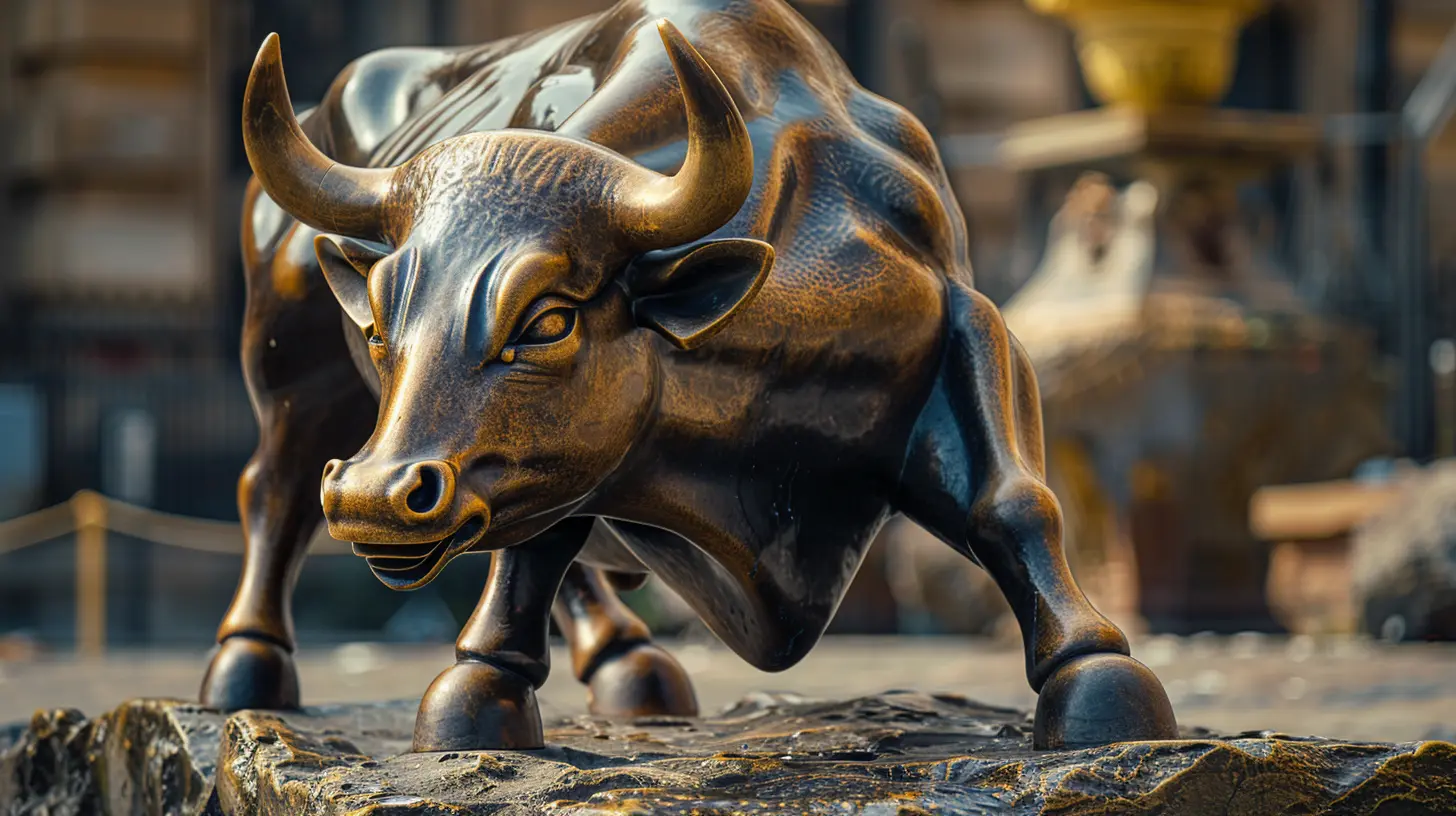
What Triggers a Stock Market Crash?
Before we talk about predicting a crash, let’s first understand what causes one. Generally, a stock market crash happens when share prices drop drastically over a short period, often triggered by a combination of factors.
1. Panic Selling
When investors lose confidence, they rush to sell their stocks, leading to a domino effect. This widespread panic selling only accelerates the market decline.
2. Economic Downturns
Recessions, slow economic growth, and poor corporate earnings can make investors nervous, leading to market downturns.3. Financial Bubbles Bursting
Remember the dot-com bubble in 2000 or the housing bubble in 2008? When asset prices rise far beyond their true value, a crash is almost inevitable when reality sets in.4. Geopolitical and Global Events
Wars, political instability, pandemics, or trade wars can send shockwaves through global financial markets, leading to a crash.5. Federal Reserve and Interest Rate Changes
The stock market is highly sensitive to interest rate hikes. When the Fed raises rates to fight inflation, borrowing becomes expensive, which can slow down economic growth and trigger a sell-off.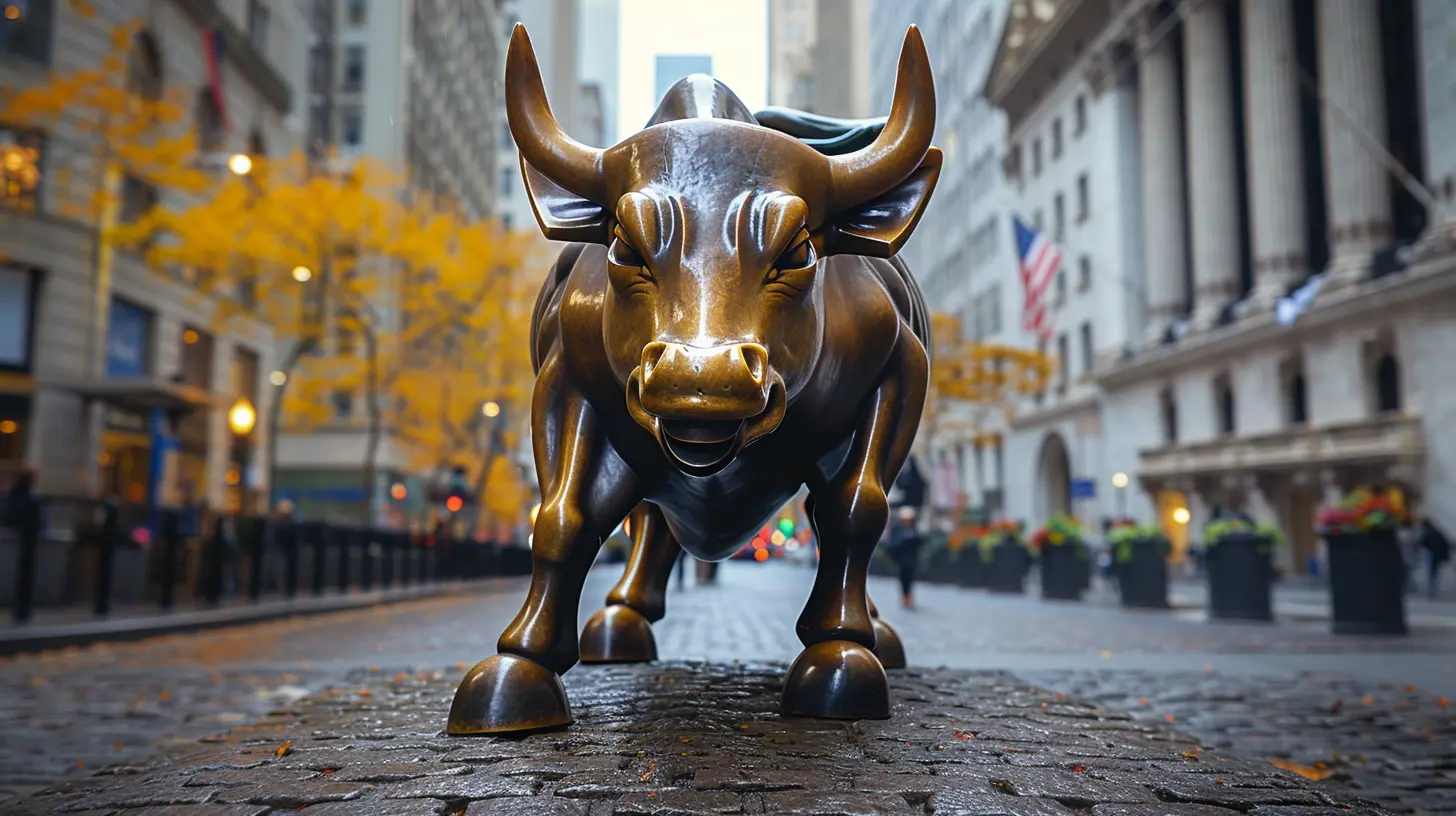
Can You Predict a Stock Market Crash?
The short answer is: Not exactly.Markets are influenced by human emotions, unpredictable global events, and economic cycles, making it extremely difficult to pinpoint when a crash will occur. But that doesn’t mean we’re completely in the dark.
Many investors and analysts use certain indicators to assess market conditions and gauge whether a downturn might be on the horizon.
Key Warning Signs of a Potential Market Crash
While no one has a crystal ball, history has shown that certain signals often precede major downturns.1. Excessive Market Optimism (Euphoria Phase)
When everyone is overly optimistic, buying stocks without caution, and market valuations soar beyond logic, it could signal an impending downturn. Think of it like a party that’s gone on for too long—eventually, the music stops.2. Sky-High Valuations
One way to check if the market is overheated is by looking at the Price-to-Earnings (P/E) Ratio. When stock prices rise too fast compared to company earnings, it might indicate a bubble ready to burst.3. Inverted Yield Curve
Historically, an inverted yield curve—when short-term interest rates are higher than long-term rates—has been a strong predictor of recessions and market downturns.4. Rapid Interest Rate Hikes
When the Federal Reserve aggressively raises interest rates, borrowing becomes expensive for businesses and consumers, slowing down spending and economic growth.5. Rising Unemployment and Weak Economic Data
A weakening job market, declining GDP growth, or poor corporate earnings are signs that the economy might be in trouble, and what affects the economy eventually impacts the stock market.6. Retail Investors Flooding the Market
When inexperienced investors start pouring money into stocks based on hype rather than fundamentals (think meme stocks), it can be a red flag. History has shown that market bubbles often pop when retail investors blindly chase gains.Historical Stock Market Crashes and Their Lessons
Looking at past crashes can help us understand patterns and avoid making the same mistakes.The Great Depression (1929)
The infamous 1929 crash started with irrational exuberance in the roaring 20s, followed by panic selling that wiped out millions of investors. Lesson? Markets don’t rise forever—eventually, overvaluations catch up.Black Monday (1987)
On October 19, 1987, the Dow Jones plummeted 22.6% in a single day. This crash wasn’t due to bad economic fundamentals but rather computerized trading systems that spiraled out of control. Lesson? Technology can sometimes accelerate market declines.Dot-Com Bubble (2000)
The late 90s saw investors pouring money into internet companies with no profits. When reality hit, the bubble burst, wiping out trillions. Lesson? Don’t invest in hype—always check the fundamentals.Financial Crisis (2008)
Excessive risk-taking in the housing market led to a devastating crash, nearly collapsing the financial system. Lesson? If something seems too good to be true (like subprime mortgages), it probably is.What Should You Do If a Crash Is Coming?
Let’s say you're convinced a crash is on the horizon. What can you do to protect your investments?1. Diversify Your Portfolio
Don't put all your eggs in one basket. Having a mix of stocks, bonds, real estate, and commodities can minimize the impact of a market decline.2. Keep Some Cash on Hand
Having cash available gives you the flexibility to buy stocks at bargain prices when the market dips.3. Avoid Panic Selling
Selling in a panic often locks in losses. If you believe in your long-term investments, staying patient is usually the best move.4. Use Stop-Loss Orders
Setting stop-loss orders on your positions can automatically sell stocks if they drop beyond a certain threshold, minimizing large losses.5. Focus on Strong Companies with Solid Fundamentals
Companies with strong balance sheets and consistent revenues tend to perform better in downturns than speculative stocks.Final Thoughts: Can You Really Predict a Market Crash?
So, can you predict the next stock market crash? Not with 100% accuracy. But by staying informed, watching economic indicators, and staying level-headed, you can better prepare for downturns when they come.History has shown that crashes are inevitable, but they are also temporary. The market has always recovered, and patient investors who stick to solid financial principles often come out ahead in the long run.
Instead of trying to time the market perfectly, focus on managing risk, diversifying, and sticking to a long-term strategy. Because when the next crash does happen (and it will), those who are prepared will see it as an opportunity rather than a disaster.
all images in this post were generated using AI tools
Category:
Stock Market CrashAuthor:

Alana Kane
Discussion
rate this article
2 comments
Astrid Cole
While predicting stock market crashes remains uncertain, understanding economic indicators and market sentiment can provide valuable insights for investors to mitigate risks. Stay informed, remain vigilant.
April 11, 2026 at 4:19 AM
Storm McLain
Sure, predicting the next stock market crash is like trying to guess the plot twist of a soap opera—intense, dramatic, and usually leaving you with more questions than answers. Just remember to keep your popcorn handy and your portfolio diversified! 🍿📉
February 26, 2026 at 4:58 AM
Alana Kane
Absolutely! Diversification is key, and staying informed can help navigate the drama of the markets. 🍿