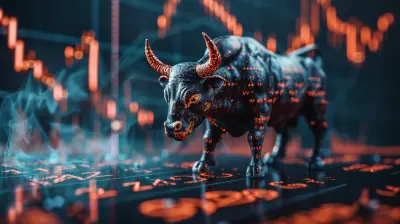
Why Low Prices Aren’t Always a Good Thing
11 June 2026
We all love a good deal, right? Whether it’s $5 off a pizza or snagging a new phone during Black Friday, it feels like winning the lottery. But here’s the twist—low prices aren’t always the financial blessing they seem to be. In fact, they can sometimes do more harm than good—to your wallet, to businesses, and even to the broader economy.
Sounds wild? Let’s break it down.
The Illusion of Savings
Let’s start with the obvious: low prices make us feel like we’re saving money. That’s the whole point. Discounts, sales, BOGO deals—they’re designed to lure us in and make us feel smart about our purchases.But are you actually saving money, or are you just spending less… more often?
The Hidden Cost of “Impulse Buys”
Think about the last time you bought something just because it was cheap. Did you really need it? Or did the discount seduce you?We’re psychologically wired to jump at “a good deal.” It’s called loss aversion. In simple terms, our brains panic at the idea of missing out on something valuable—even when it’s junk we don’t need. So a low price often pushes us into impulsive spending.
And let’s face it: 10 cheap items you didn’t really need will cost you more than one item you actually use.
Low Prices Can Mean Low Quality
Here’s where things really start to unravel. Cheap often means cheap—as in low quality.Poor Product Lifespan
You buy a $20 pair of shoes and think you’ve scored. But after two months, the soles are peeling, and they’re falling apart faster than a paper towel in a rainstorm. Versus spending $80 on a high-quality pair that lasts two years? That’s called a smart investment.The same principle applies to everything from electronics to clothes to furniture. Low-priced items often cut corners—cheap materials, poor craftsmanship, zero customer service.
Sure, you saved in the short term. But when you’re replacing that product twice as often, you're really just spending more in the long run.
The “Buy It Again” Cycle
Low prices can trap you in what I call a "buy it again" cycle. You keep buying replacements, upgrades, or fixes because the original product didn’t deliver. Multiply that across your entire household—kitchen appliances, clothing, gadgets—and you’re bleeding money.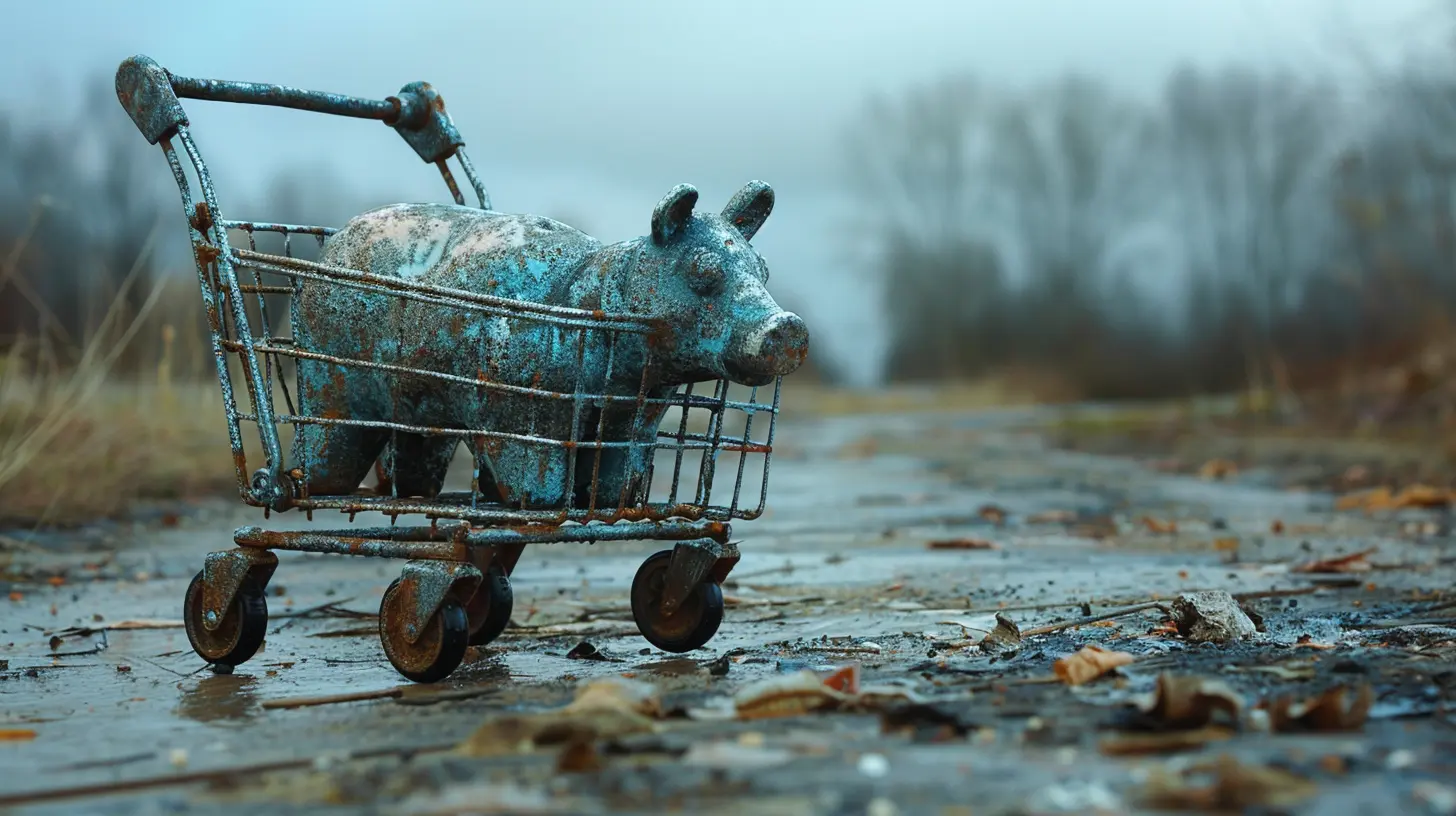
The Ethical Side (Yes, It Matters)
Now this one might hit a little deeper: often, low prices come at the expense of someone—or something—else.Someone Somewhere Is Paying the Price
Let’s talk production. How do companies manage to sell a t-shirt for $5? Simple: they’re cutting costs. And not always in ways you'd feel good about.Outsourcing to factories with poor working conditions, underpaying employees, using harmful materials, or ignoring environmental costs—all of these shady practices make that price tag possible.
When you vote with your dollars, you’re saying, "This is okay." Every low-cost purchase can reinforce an unsustainable system.
Environmental Consequences
Not to get too crunchy-granola here, but cheap goods are often produced in ways that are toxic to the environment. Mass production, excessive packaging, disposable products—it all piles up. Fast fashion alone is a massive contributor to pollution and waste.So not only does your $10 shirt fall apart after three washes, but it also adds to landfill problems. That’s not a great legacy to leave behind.
The Domino Effect on Industries
Low prices don’t just hurt consumers—they put pressure on entire industries.The Small Business Squeeze
When big box retailers sell products for next to nothing, smaller businesses can't compete. They don’t have the scale or resources to lower prices without taking a hit. The result? They shut down, get bought out, or vanish altogether.Ever notice how your local bookstore or corner grocer disappeared once a nationwide chain moved in? That’s not a coincidence. It’s a casualty of the low-price war.
And once competition dries up, guess what? Prices go back up—but now you have fewer options.
The Race to the Bottom
In industries obsessed with offering “the lowest price,” companies often start cutting corners. They reduce quality, speed up production, undercut wages—anything to keep up.Over time, this spirals into what economists call a “race to the bottom,” where everyone suffers just to maintain low pricing. It’s like a game of limbo where eventually somebody breaks their back.
The Psychological Toll of Always Chasing Deals
This might sound weird, but bargain hunting can actually wear you out—like mentally.Decision Fatigue
When you're constantly choosing between 50 similar options, your brain gets tired. Should I buy the $8 earbuds or the $10 ones with better reviews? Should I wait for a sale? Should I check three other stores?We become trapped in a loop of analysis-paralysis. Saving a buck doesn’t feel so great when it eats up your time and mental energy.
Undermining Value Perception
Here’s another kicker: low prices actually make us value products less. Studies show that when people pay less for something, they often assume it’s not worth much—even if it performs well.Basically, we’re conditioned to equate price with worth. So when everything is cheap, everything starts to feel… disposable.
Financial Planning? Low Prices Won’t Save You
Let’s bring this back to your finances. If you’re relying on low prices to help you budget, you might be doing it backward.Budgeting Based on Value, Not Price
Smart financial planning isn’t about grabbing every deal—it’s about buying strategically. Instead of asking, “How cheap can I get this?” ask, “What gives me the best long-term value?”A $150 winter coat that lasts five years beats three $60 ones that fall apart before spring.
The False Sense of Control
Low prices can give you the illusion of financial control. Like you’re being frugal. But if discounts lead to more unnecessary purchases, you're still overspending—just in smaller chunks.You need to shift your mindset from “cheap now” to “cost-effective long-term.” That’s when your bank account and future self both win.
When Low Prices Are Actually Good
Okay, let’s be fair. Low prices aren’t always evil. Sometimes, they reflect a legit cost-saving innovation. Like a company cutting out middlemen or improving automation. Think of brands like Costco or IKEA, which offer reasonable prices without tanking quality (most of the time).But low pricing should come from efficiency—not exploitation.
So how do you tell the difference?
- Check the brand’s reputation
- Look at reviews—especially mid-to-low range ones
- Investigate return policies and warranties
- Read about their supply chain if you’re invested in ethical practices
If something seems too cheap to be true, it probably is.
Building a Smarter Consumer Mindset
So let's tie it all together.Low prices can be tempting—no doubt. They’re like a sugar rush. But just like junk food, the short-term satisfaction often comes at a long-term cost.
Here’s what you can do instead:
- Be intentional with your purchases
- Prioritize quality over quantity
- Research before buying
- Support ethical and sustainable brands
- Think total cost of ownership, not just the sticker price
Ultimately, your money is your voice. How and where you spend it shapes industries, behaviors, and even the planet.
So next time you see that rock-bottom price, ask yourself: Is it really a good deal—or just a cheap decision?
Final Thoughts
Low prices might feel like a win in the moment, but they’re not always good for you, the economy, or the environment. It's important to balance affordability with responsibility. Thinking long-term and shopping smartly doesn’t mean breaking the bank—it means investing your dollars where they count.So yeah, price tags matter—but they’re not the whole story.
all images in this post were generated using AI tools
Category:
Deflation ConcernsAuthor:

Alana Kane
Discussion
rate this article
1 comments
Aurelia Sheppard
Low prices might look cute, but they can bite you later. Choose quality over cheap thrills if you want to win.
June 18, 2026 at 3:17 AM