Understanding Inflation: How It Affects Your Everyday Spending
29 January 2026
Let’s have a real talk about something most of us feel but don’t always fully understand — inflation. It creeps into our lives silently, shows up at the grocery store, the gas pump, and even on your favorite streaming subscription. You go to buy the same stuff, and somehow your wallet seems a little lighter every month. Sound familiar?
Inflation isn’t just a buzzword economists throw around on news segments — it’s something that directly impacts how far your money goes. And in this guide, we’ll break it all down for you. No confusing jargon, no boring lectures. Just real, practical info you can use to understand what’s going on with your money.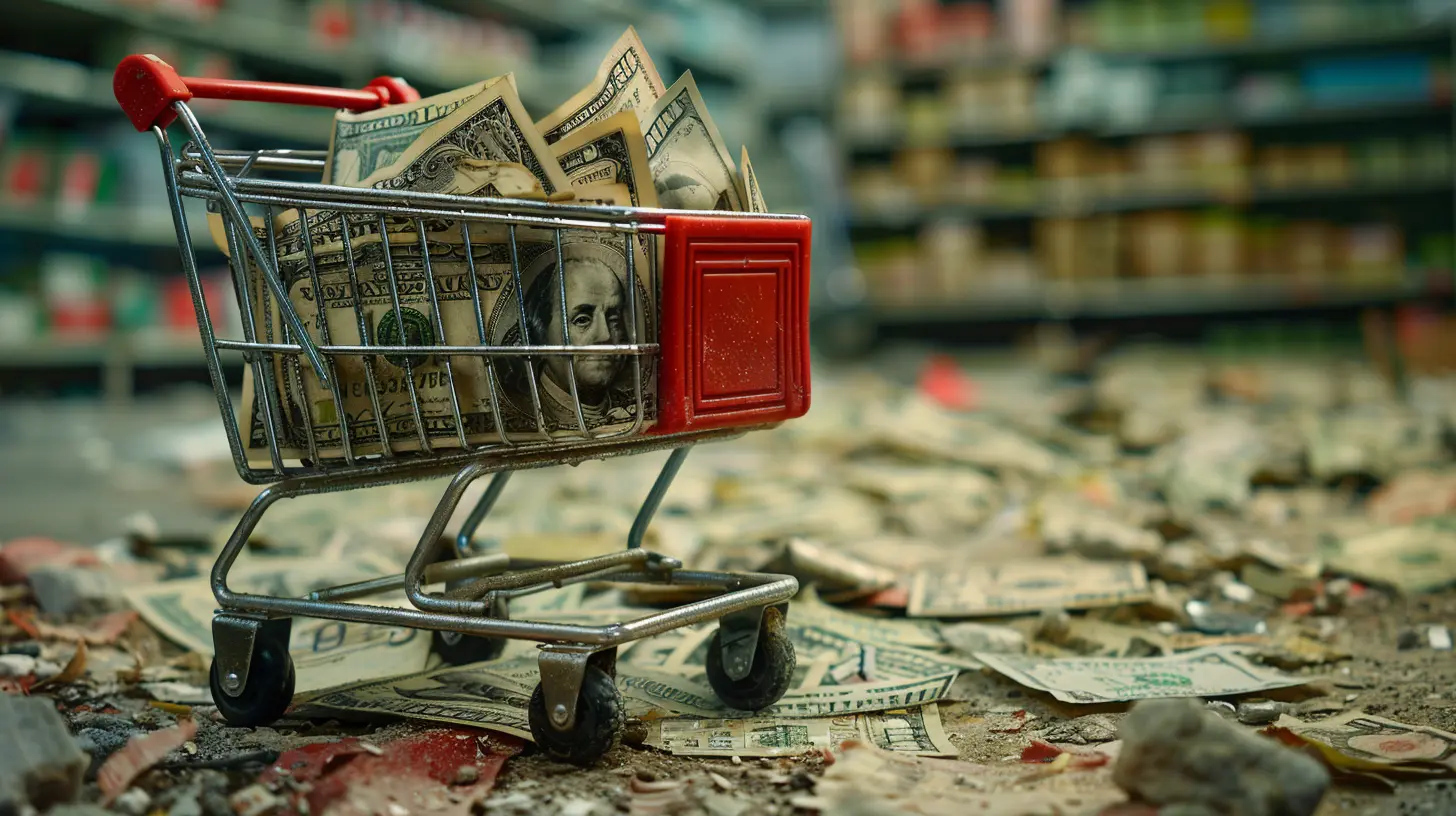
What Is Inflation Anyway?
Let’s kick things off with the basics. Inflation is the rate at which prices for goods and services rise over time. That’s it.Sounds simple enough, right? Imagine inflation as a slow leak in your wallet. You’re not losing money, but the money you have buys you less and less. A gallon of milk that cost $2 five years ago? It could be $3.50 now. That’s inflation doing its thing.
Now, a little bit of inflation is normal — even healthy. It means the economy is growing. But when inflation gets too high, it starts messing with your budget, and that’s when people really start to feel the pinch.
How Inflation Happens: What's Behind the Price Hikes?
Inflation doesn’t just randomly appear — it usually comes down to two main things:1. Demand-Pull Inflation
This happens when demand for products or services outpaces supply. Think of it like this: too many people chasing too few goods. Prices rise because companies can charge more — people are willing to pay.Ever seen people panic-buy toilet paper? That’s demand pull in action. When demand spikes and there’s limited supply, prices go up.
2. Cost-Push Inflation
Then there’s the flip side. Cost-push inflation occurs when the cost to produce goods and services increases, and businesses pass those costs along to consumers.Say the price of oil rises. That affects transportation costs, which affects shipping. So the cereal you buy costs more to get to the store, and boom — you’re paying more for breakfast.
Inflation Isn’t All Bad…Right?
Here’s something you don’t hear often — some inflation is actually good. Weird, huh?Moderate inflation (around 2% yearly) helps keep the economy moving. It encourages people to spend and invest rather than hoard cash because they know their money will lose value over time if it just sits around.
For example, if you know a car will cost more next year, you’re more likely to buy it now, which boosts economic activity. Businesses earn more, hire more, produce more. You get the idea.
Why Inflation Hurts Your Wallet
Let’s get personal here. You’ve probably felt this already — maybe your rent went up, or your favorite coffee shop raised prices. Inflation affects everyday spending in more ways than you might realize.1. Groceries and Essentials
Let’s start with the obvious one. You make a grocery list, stick to it, and somehow still end up spending $50 more than usual. That’s inflation having a field day.The cost of food is one of the first areas where people feel inflation. Farming, processing, packaging, and transporting food all cost more when inflation is up.
2. Gas and Energy Costs
Oof. Filling your gas tank isn’t as painless as it used to be, right? With inflation, oil prices often rise, and that impacts not just fuel but your electricity and heating bills too.Even if you drive less or use energy efficiently, you can't dodge the rising costs entirely. It sneaks up one utility bill at a time.
3. Housing and Rent
If you’re someone who rents, you might have noticed those rent “adjustments” year after year. Landlords raise rent to keep up with their own increasing costs, whether it's maintenance, property taxes, or insurance.And if you’re a homeowner — property taxes, mortgage rates, and repair costs don’t stay put either during inflationary periods.
4. Dining Out and Entertainment
Remember when grabbing a burger and fries was a cheap treat? With inflation, even fast food prices have jumped up. Going out with friends or catching a movie can start to feel like a luxury.Subscription services sneak in price increases too. One day it’s $9.99, the next it's $13.99 — and you’re wondering if it’s still worth it just to rewatch The Office again.
5. Debt and Loans
Here’s a twist — inflation can be a double-edged sword when it comes to loans. If you have fixed-rate debt (like a mortgage), the monthly payments don’t change, but the dollars you’re using to pay it back are worth less — which kind of works in your favor.But if inflation leads to higher interest rates, new loans or credit card debt becomes more expensive. So borrowing money costs more in the long run.
How Inflation Messes With Your Savings
Here’s one of the sneakiest ways inflation hits you — it erodes the value of your savings.Let’s say you’ve got $10,000 sitting in a savings account. If inflation is running at 5% annually, in terms of purchasing power, your money is effectively worth $9,500 by the end of the year. Ouch.
Unless your savings are earning interest that keeps up with or exceeds inflation, your money is quietly shrinking. That’s why investing smartly is crucial — even if you're not a Wall Street guru.
Inflation And Your Paycheck
Now let’s talk income. You might think: “Okay, prices are going up, but aren’t wages also rising?”Good question — and yes, sometimes they do. Employers may increase wages to keep up with inflation, but the raise doesn’t always match the cost of living increase. So when your salary goes up 3%, but inflation is at 6%, you’re technically earning less in real terms.
You're working the same, maybe even harder, but your money buys you less. That’s the silent tax of inflation.
Managing Inflation: What Can You Actually Do?
Okay, enough doom and gloom — what can you actually do about inflation? You can’t stop it, but there are ways to fight back smartly.1. Budget Smarter
Now’s the time to recheck your spending habits. Prioritize needs over wants. Track where your money goes and look for areas to trim fat. Small changes like cooking more meals at home or canceling unused subscriptions can add up quickly.2. Boost Your Income
Easier said than done, we know — but there are tons of side hustle opportunities out there today. Whether it's freelancing, selling handmade goods, tutoring, or digital gigs, a little extra income can help offset price hikes.3. Invest Wisely
Letting your money just sit in a regular savings account? That’s where inflation wins. Look into stocks, index funds, or even inflation-protected bonds (like Treasury Inflation-Protected Securities or TIPS). These can help keep your money growing in line with inflation.4. Cut High-Interest Debt
Inflation is bad enough without mounting credit card interest. Tackle high-interest debt as fast as you can. Even consolidating or refinancing might save you in the long run.5. Negotiate That Raise
Seriously, if your value at work has gone up, so should your paycheck. Companies know inflation is hitting everyone — bring data to the table, show your results, and ask for that well-earned bump.How Inflation Hits Different Generations
Inflation doesn’t play fair — it affects people differently depending on their stage of life.- Young Adults and Students: Rising education costs and rent make it harder to build savings.
- Middle-Aged Adults: Juggling mortgages, childcare, and saving for retirement — money gets tight fast.
- Retirees: Fixed incomes and rising medical costs mean every dollar counts more than ever.
Knowing where you stand helps you make better financial decisions that suit your reality.
Inflation and Mental Health: Yes, It’s Linked
Money stress is real. When prices rise and your paycheck feels stretched, it can seriously affect your peace of mind.You might find yourself constantly worried about paying bills, feeding your family, or saving for the future. That pressure adds up and can lead to anxiety, burnout, or even depression.
So here’s your gentle reminder: take breaks, talk to someone, and remember you’re not alone in this. Nearly everyone is feeling this – you’re not just “bad with money.”
Final Thoughts
Inflation isn’t reserved for economists or politicians — it’s an everyday issue that affects people like you and me in deeply personal ways. From how much you pay at the pump to the size of your grocery bill, inflation is always in the background, quietly shaping your spending.But knowledge is power. Now that you understand how inflation works and how it affects your daily life, you can make smarter decisions and take control of your finances. Don't let the slow leak of inflation drain your wallet unnoticed — now you’ve got the tools to patch it up.
all images in this post were generated using AI tools
Category:
Inflation ImpactAuthor:

Alana Kane
Discussion
rate this article
2 comments
Clementine Fisher
Inflation directly impacts your purchasing power, making it crucial to stay informed. By understanding its effects, you can make smarter financial decisions, adjust your budget, and protect your savings. Don’t let inflation catch you off guard—stay proactive!
March 16, 2026 at 6:03 AM
Khloe Lozano
Great article! Understanding inflation is crucial for budgeting effectively and making informed spending decisions. It's essential to stay aware of how prices impact our daily lives.
January 30, 2026 at 11:20 AM
Alana Kane
Thank you! I'm glad you found the article helpful in understanding the impact of inflation on daily spending. Staying informed is key to effective budgeting!