The True Cost of Owning a Home
28 April 2026
So, you’re thinking about buying a home? That’s exciting! Homeownership is often seen as a major life milestone—a symbol of stability, success, and financial independence. But before you start browsing Zillow listings and daydreaming about your dream home, it’s important to consider the true cost of owning a home.
Many first-time buyers focus only on the purchase price and the monthly mortgage payment, but homeownership comes with a slew of hidden costs that can add up quickly. If you’re not prepared, these expenses could turn your dream home into a financial headache.
Let’s break it all down so you can make an informed decision and avoid any unpleasant surprises.
The Obvious Costs of Homeownership
1. The Down Payment
One of the biggest upfront costs of buying a home is the down payment. Most lenders require at least 3% to 20% of the home's purchase price. The more you put down, the lower your monthly mortgage payments will be.For example, if you're buying a $300,000 home and put down 20% ($60,000), you’ll have lower mortgage payments compared to someone who only puts down 5% ($15,000). However, saving up for a large down payment can take years, so it’s important to strike a balance between what you can afford now and your long-term financial health.
2. Monthly Mortgage Payments
Your mortgage payment is likely the biggest expense you’ll have as a homeowner. This payment includes:- Principal & Interest: The amount borrowed and the interest charged by the lender.
- Property Taxes: These vary by state and county, but they can add a hefty amount to your bill.
- Homeowner’s Insurance: Protects your home from disasters, theft, and damage.
Mortgage payments are predictable if you have a fixed-rate mortgage, but if you go for an adjustable-rate mortgage, be prepared for fluctuations.
The Hidden Costs of Homeownership
Now, let’s talk about the not-so-obvious expenses that can catch homeowners off guard.3. Closing Costs & Fees
Buying a home involves more than just securing a mortgage. Closing costs can range from 2% to 5% of the home's purchase price. These fees include:- Loan origination fees
- Appraisal fees
- Title insurance
- Home inspection costs
- Escrow fees
For a $300,000 home, closing costs could be anywhere from $6,000 to $15,000. That’s a significant amount, so it’s important to budget accordingly.
4. Maintenance & Repairs
When you rent, the landlord handles repairs. But when you own a home, it's all on you! Unexpected repairs can be costly. A new roof? That could be $5,000 to $15,000. A broken water heater? That’s a few hundred to a couple of thousand dollars.Experts recommend setting aside 1% to 3% of your home’s value annually for maintenance. If your home is worth $300,000, that means you should have at least $3,000 to $9,000 set aside each year for potential repairs.
5. HOA Fees
If you’re buying a home in a neighborhood with a homeowners' association (HOA), expect to pay monthly or annual fees. These fees can range from $100 to $500 per month, depending on your location and amenities.HOA fees cover things like landscaping, community pool maintenance, and security, but they can feel like an extra mortgage payment if you're not prepared.
6. Utilities & Property Expenses
Owning a home means paying for all utilities, including:- Electricity
- Water & Sewer
- Gas
- Trash & Recycling Pickup
If you’re moving from an apartment, your utility bills might be double or even triple what you’re used to. Larger homes naturally require more heating, cooling, and maintenance.
7. Homeowners Insurance & Property Taxes
Property taxes vary based on the state and city you live in, but in some areas, they can be thousands of dollars a year. Likewise, homeowners insurance protects your property from disasters like fires, floods, and theft, but it comes at a cost.A good rule of thumb is to estimate property taxes at 1% to 2% of your home's value annually. So, for a $300,000 home, that’s $3,000 to $6,000 per year.
8. Appliance Replacements & Upgrades
Many homebuyers don’t think about this, but appliances don’t last forever. Eventually, you’ll need to replace things like:- Refrigerators
- Washing machines & dryers
- Dishwashers
- HVAC systems
A new HVAC system alone can cost $5,000 to $10,000. If you’re purchasing an older home, be extra cautious—appliance and system replacements could be on the horizon sooner than you expect.
The Opportunity Cost of Homeownership
Besides the tangible expenses of homeownership, there’s also the opportunity cost. When you put money into a home, it's tied up in the property rather than being invested elsewhere.For instance, if you invest your down payment and other related costs into the stock market instead, would you earn a higher return? Real estate can be a good investment, but it’s important to weigh all the options before making a commitment.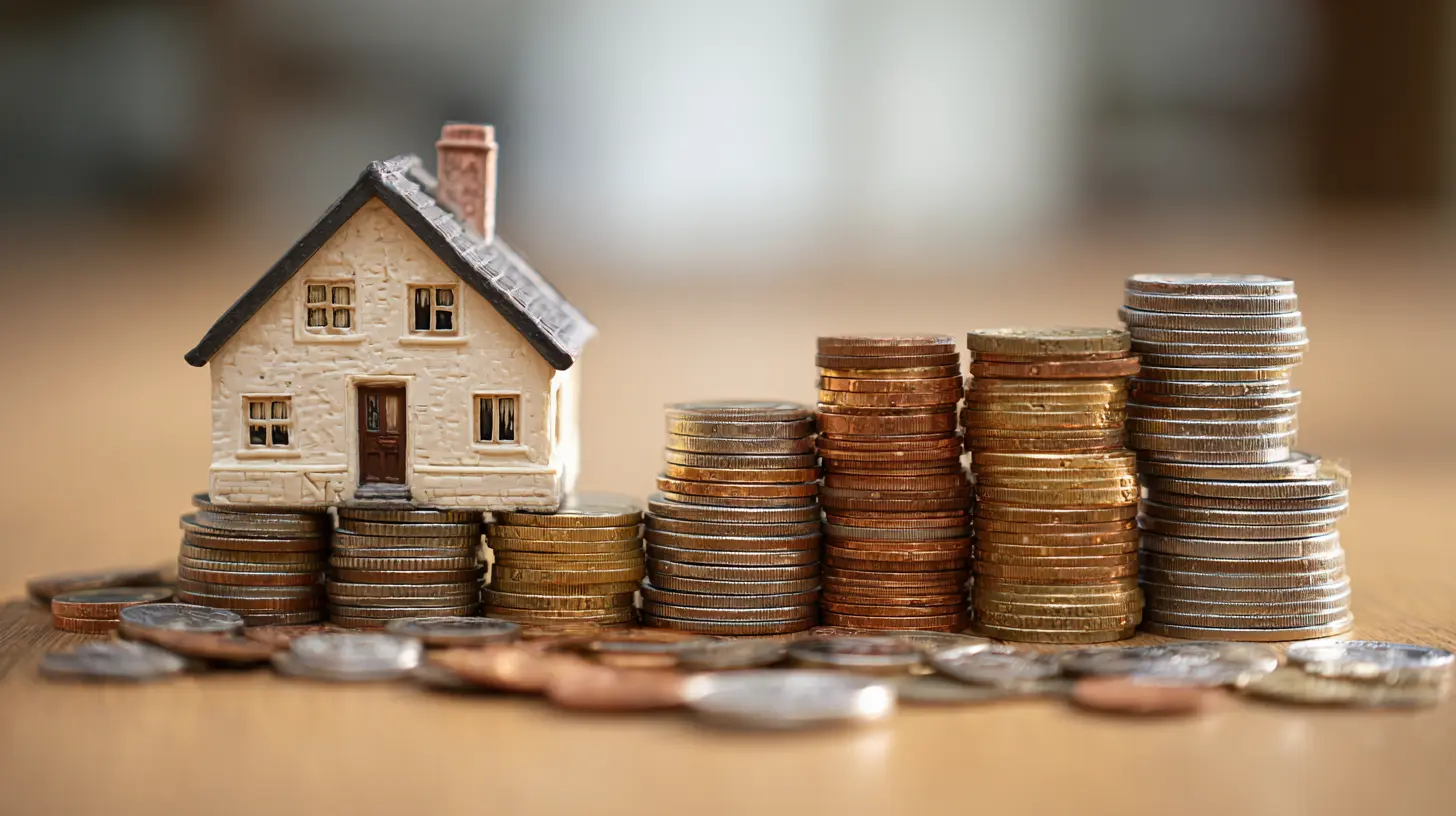
Renting vs. Owning: Which Is Cheaper?
Many people assume that owning is always better than renting, but that’s not always the case. Depending on where you live, renting may be cheaper, especially when you consider:- No maintenance expenses
- No massive down payment
- No property taxes or homeowners insurance
On the flip side, homeownership offers stability, the potential for appreciation, and the ability to build equity. But it also comes with risks—like expensive repairs and market downturns.
If you’re unsure whether to rent or buy, consider using the "Rent vs. Buy" calculator available on financial websites. This tool can help you crunch the numbers and make an informed choice.
Final Thoughts: Is Buying a Home Right for You?
Owning a home is a major financial commitment, and it’s definitely not as simple as just covering your mortgage payment each month. From property taxes to maintenance costs, there are plenty of hidden expenses to consider.Before taking the plunge, ask yourself:
- Do I have enough for a down payment without wiping out my savings?
- Can I afford the hidden costs of homeownership?
- Am I financially prepared for unexpected repairs and upgrades?
- Do I plan to stay in the home long enough to make it financially worth it?
If you can confidently answer “yes,” then homeownership might be the right choice for you! But if the numbers don’t add up, it might be smarter to keep renting and building your savings until you're truly ready.
At the end of the day, homeownership isn't just about having a place to live—it's about making a long-term financial decision that supports your lifestyle and goals.
all images in this post were generated using AI tools
Category:
Cost Of LivingAuthor:

Alana Kane
Discussion
rate this article
1 comments
Aaron McWain
Owning a home often feels like a dream, but the hidden costs can weigh heavily on finances. Beyond the mortgage, consider maintenance, taxes, and opportunity costs. It's essential to view homeownership not just as an investment, but a lifestyle choice.
May 5, 2026 at 3:04 AM
Alana Kane
You're right. Homeownership offers many benefits, but the unexpected costs can be significant. It's important to weigh all aspects before making that decision.