The Rise of Smart Savings Apps in 2026
21 April 2026
In an age where everything is at our fingertips, the way we save money is evolving faster than ever. Gone are the days of stuffing cash under the mattress or relying on traditional banks alone. Enter smart savings apps, the financial buddies you didn’t know you needed. As we dive into 2026, let’s unravel the meteoric rise of these digital marvels, their features, and why they could be the game-changer we’ve all been waiting for.

What Are Smart Savings Apps?
So, what exactly are these smart savings apps? Picture this: a personal finance assistant right in your pocket. These apps connect to your bank accounts, analyze your spending habits, and help you save money effortlessly. They use AI and algorithms to suggest ways to set aside cash, track your goals, and even invest. Whether you’re saving for a vacation, a new gadget, or just a rainy day, these apps are designed to make your financial life smoother.The Evolution of Saving
To appreciate the rise of these apps, we need to look back. Traditionally, people relied on savings accounts with banks, which often came with low-interest rates and strict withdrawal limits. Fast forward to today, and we’ve transitioned into a digital-first world. With the advent of fintech, saving money has become more accessible, engaging, and even fun.How did we get here? The financial crisis of 2008 sparked a need for better money management tools, leading to a surge in fintech innovations. Fast forward to 2026, and we’re witnessing the culmination of years of technological advancement.

Why Are Smart Savings Apps Gaining Popularity?
1. Convenience at Your Fingertips
Think about it: in a world where we can order food, book flights, and even find love with just a few taps, why should saving money be any different? These apps allow users to manage their finances on the go, making saving as simple as scrolling through your social media feed.2. Personalization Like Never Before
Remember when your parents would tell you to save a certain percentage of your income? That advice is great, but it's not one-size-fits-all. Smart savings apps analyze your unique spending habits and suggest personalized saving strategies. It’s like having a tailor-made financial plan that fits your lifestyle.3. Gamification of Saving
Let’s face it, saving can feel like a chore. However, many smart savings apps introduce gamification elements to keep users engaged. You might earn badges, reach milestones, or even compete with friends. Saving money starts to feel less like a sacrifice and more like a fun challenge.4. Access to Financial Education
A significant number of these apps come equipped with educational resources, helping users improve their financial literacy along the way. From blogs to videos, users can learn about budgeting, investing, and smart spending in a digestible format.
Key Features of Smart Savings Apps
Automated Savings
One of the standout features of smart savings apps is automation. By linking your bank account, the app can analyze your spending patterns and automatically transfer small amounts of money to your savings account. Think of it as setting up a “savings robot” that does the hard work for you.Goal Setting
Want to save for a new car or that dream vacation? Smart savings apps allow users to set specific goals and track their progress. You can even assign different saving “pots” for various goals, making it easy to see how close you are to achieving them.Budgeting Tools
These apps often include budgeting features that help you track your expenses and plan your financial future. They can categorize your spending, alert you when you’re close to overspending, and provide insights into where you can cut back.Investment Options
Some advanced apps also offer investment opportunities. Imagine being able to save and invest in one platform! Many apps now allow users to invest spare change or automate their investments based on their saving goals.Security Features
In a world where data breaches are a common concern, security is paramount. Most smart savings apps employ bank-level encryption and two-factor authentication to ensure your data is safe. It’s crucial to pick an app that prioritizes your security.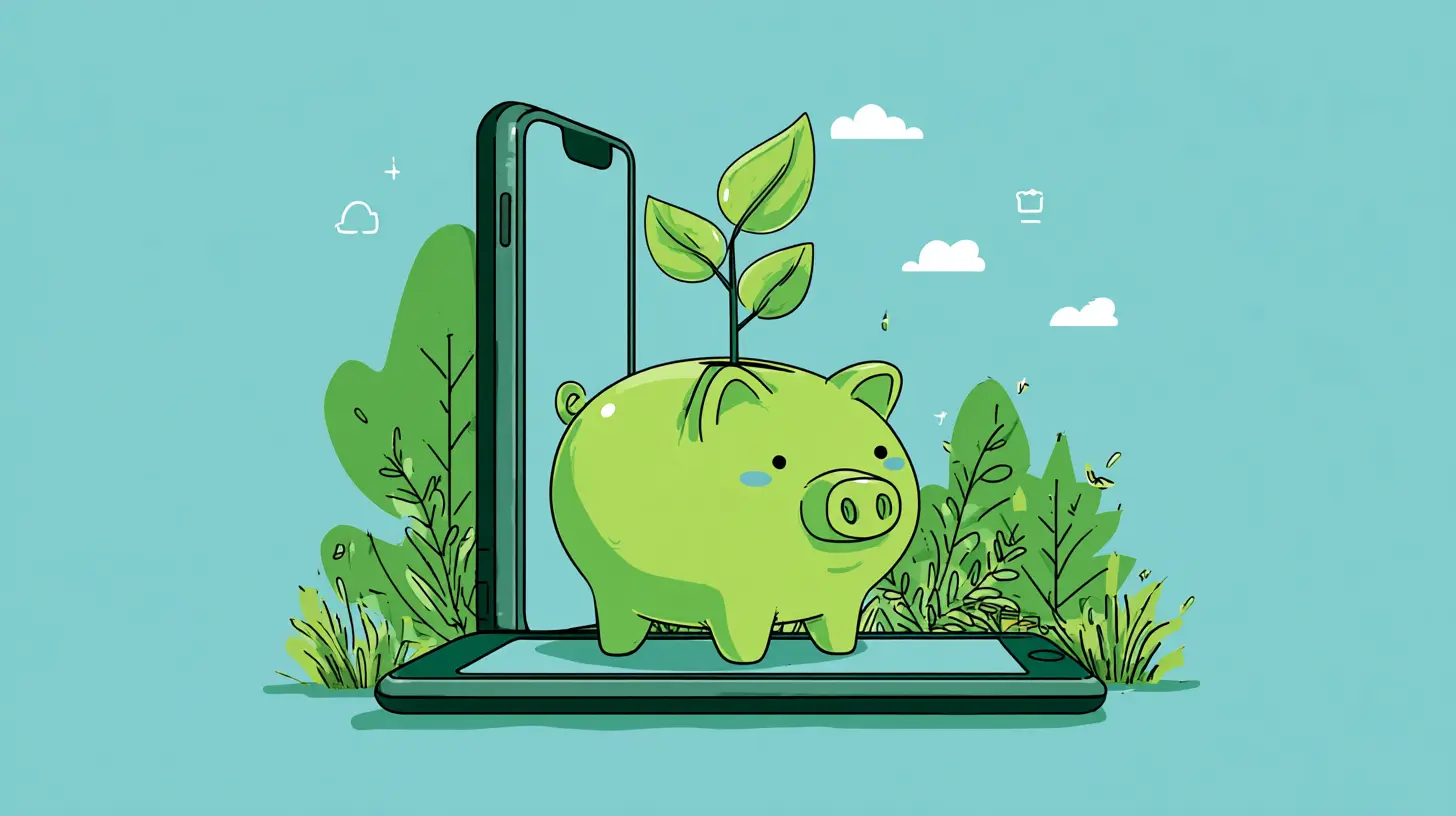
Popular Smart Savings Apps in 2026
As we navigate through this evolution, several smart savings apps have distinguished themselves in the crowded marketplace. Here are a few that have gained traction:1. Digit
Digit is like your financial fairy godmother. It analyzes your spending habits and automatically saves money for you. With features like goal setting and insights into your spending, it’s a popular choice for those who want a hands-off approach to savings.2. Qapital
Qapital gamifies saving by allowing users to set rules that trigger savings. For example, every time you make a purchase, it could round up to the nearest dollar and save the difference. It’s playful and practical!3. Acorns
Acorns takes saving a step further by investing your spare change. It rounds up your purchases and invests the difference into diversified portfolios. This app is a great option for those looking to dip their toes into investing while saving.4. Chime
Chime is more than just a savings app; it’s a banking alternative. With no monthly fees, early direct deposit, and automatic savings features, it’s an attractive choice for young professionals aiming to manage their finances responsibly.The Challenges and Limitations of Smart Savings Apps
While the benefits are plentiful, it’s essential to recognize that smart savings apps are not without their challenges.1. Over-Reliance on Technology
As convenient as these apps are, it’s crucial not to become overly reliant on them. They can provide guidance, but personal financial responsibility still lies with you. Always keep an eye on your spending and savings goals.2. Fees and Charges
Some apps come with fees that might offset the benefits they provide. It’s crucial to read the fine print and understand what you’re paying for. While many apps offer free versions, premium features often come at a cost.3. Data Privacy Concerns
With the rise of digital finance, data privacy is a growing concern. Always choose apps that prioritize your privacy and data security. Remember, your financial data is sensitive information.4. Limited Features
Not all apps are created equal. Some might lack essential features that others offer. It’s important to do your research and find an app that meets your specific needs.
Future Trends: What’s Next for Smart Savings Apps?
Increased Personalization with AI
We can expect more personalized experiences in the coming years. As AI technology continues to advance, smart savings apps are likely to provide even more tailored advice based on individual habits and preferences.Integration with Other Financial Tools
Imagine a world where your savings app seamlessly integrates with your budgeting app, investment platform, and even your retirement accounts. This kind of integration could lead to a more holistic view of your financial health.Enhanced Security Measures
As cyber threats become more sophisticated, the need for robust security measures will only grow. Expect smart savings apps to continually evolve their security protocols to protect user data.Social Features
In a world dominated by social media, the incorporation of social features into savings apps could enhance user engagement. Sharing achievements or encouraging friends could lead to a more vibrant community around saving.Conclusion
As we embrace 2026, the rise of smart savings apps marks a significant shift in how we manage our finances. These digital tools are more than just a trend; they represent the future of personal finance. With their convenience, personalized features, and innovative approaches to saving, they empower users to take control of their financial destinies.So, whether you’re a seasoned saver or just starting, consider giving a smart savings app a try. Who knows? You might find that saving money is not just a necessity but an enjoyable journey.
all images in this post were generated using AI tools
Category:
Automated SavingAuthor:

Alana Kane
Discussion
rate this article
1 comments
Natalia McCoy
This article provides valuable insights into the evolving landscape of smart savings apps. It's fascinating to see how technology is reshaping personal finance and empowering individuals to save more effectively. Great read!
April 25, 2026 at 3:51 AM
Alana Kane
Thank you for your feedback! I'm glad you found the insights valuable. It's an exciting time for personal finance innovation.