The Ripple Effects of Deflation on Global Trade
20 August 2026
Deflation. It’s a word that often sends shivers down the spines of economists and policymakers alike. While inflation gets most of the attention, deflation can be just as—if not more—damaging to economies and global trade.
But what exactly is deflation? How does it shake up global markets, and why should businesses and consumers care? Let’s dive in and unpack the cascading effects of deflation on global trade. 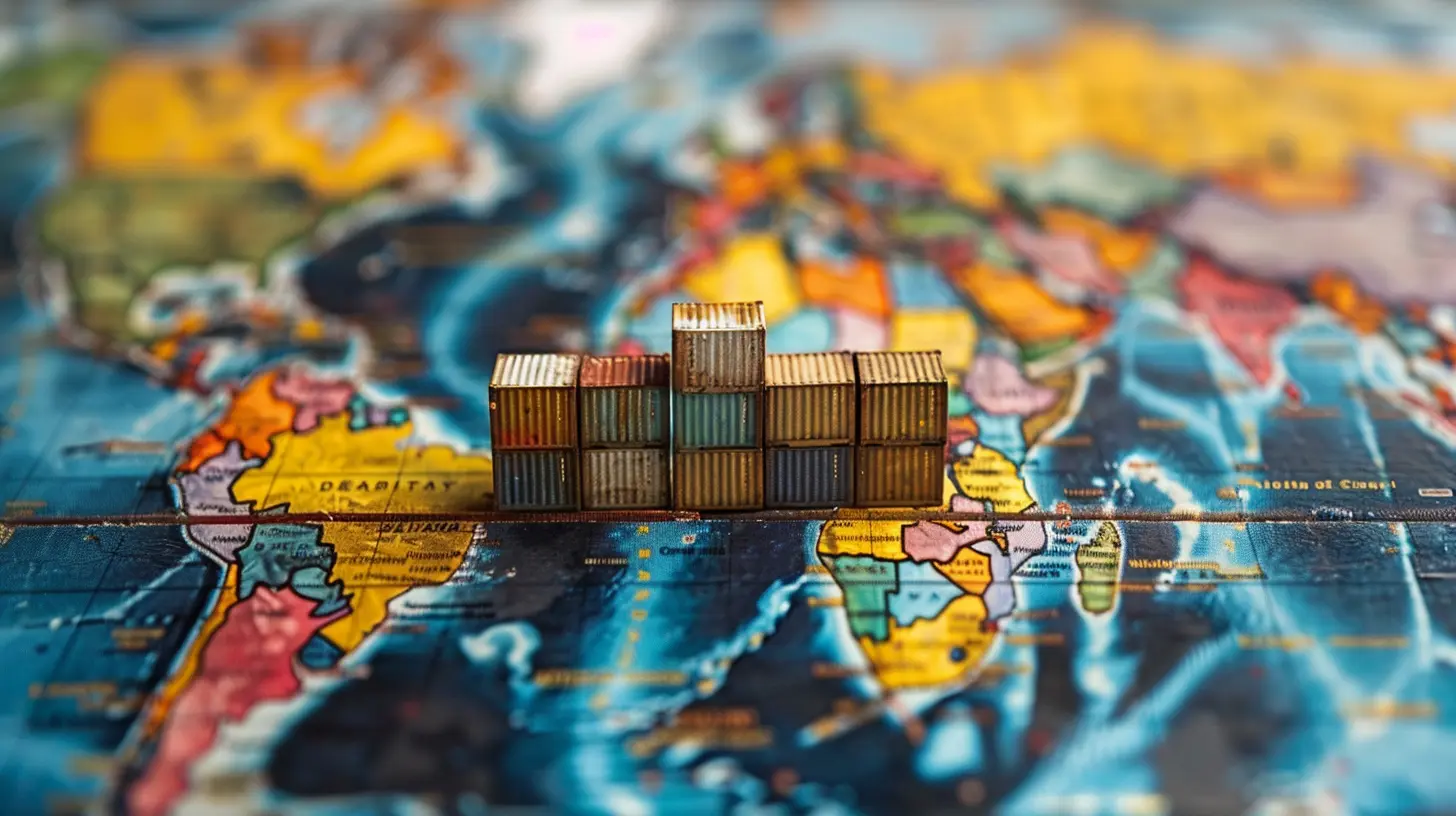
Understanding Deflation: More Than Just Falling Prices
Deflation occurs when the general price levels of goods and services decline over a period of time. While cheaper prices might sound like a win for consumers, the reality is far more complex. When prices fall, businesses make less money, wages stagnate, and economic growth slows down.Unlike inflation, where purchasing power decreases, deflation increases the value of money. This might seem beneficial at first—after all, who doesn’t want more purchasing power? But when businesses and consumers start expecting prices to keep dropping, they delay spending. This, in turn, leads to lower demand, reduced production, and layoffs. Before you know it, the entire economy stalls.
Now, let's explore how these factors ripple through global trade. 
How Deflation Impacts Global Trade
1. Weaker Demand for Imports
One of the first ways deflation affects global trade is by reducing demand for imported goods. When prices are falling, consumers and businesses tend to hold onto their money, expecting even lower prices in the future. This means fewer purchases of foreign products, leading to weaker trade volumes.For export-driven economies—think China, Germany, or Japan—a decline in global demand for their goods can be catastrophic. These nations rely on foreign markets to keep their economies moving, and any slowdown can have spillover effects on employment, wages, and overall economic health.
2. Rising Debt Burdens for Businesses and Governments
Deflation makes existing debt more expensive. Since the value of money is rising, the real cost of repaying loans increases, creating financial strain on businesses and governments with heavy debt burdens.For companies that rely on borrowed money to expand operations, this can force them to cut costs, delay investments, or even file for bankruptcy. On the government side, countries with high levels of public debt may struggle to meet repayment obligations, leading to austerity measures and further economic contraction.
And guess what? When businesses and governments tighten their belts, international trade slows down even more. Reduced public and private spending means fewer exports, fewer imports, and overall weaker global trade activity.
3. Currency Appreciation: A Double-Edged Sword
Deflation often causes a country’s currency to strengthen relative to others. Since prices are falling domestically, the purchasing power of the currency increases. While this might seem like a good thing, it actually creates big problems for exports.A stronger currency makes a country’s goods more expensive for foreign buyers, reducing international demand. If export-driven nations experience prolonged deflation, their industries can suffer severe losses, leading to job cuts and economic stagnation.
Japan is a prime example of this challenge. The country has struggled with bouts of deflation for decades, making it harder for Japanese exporters to compete globally.
4. Disrupting Supply Chains and Trade Agreements
When global trade slows, supply chains take a hit. Countries that rely on exporting raw materials or finished goods can experience business closures, unemployment spikes, and even political instability.Multinational companies that depend on global supply chains may also face disruptions due to reduced demand. If major economies start cutting back on imports, suppliers in other countries begin feeling the pinch. This downward spiral can lead to renegotiations of trade agreements, shifts in international business strategies, and greater economic uncertainty.
5. Stock Market Volatility and Investor Uncertainty
Deflation creates uncertainty in financial markets. Investors become more cautious, fearing that falling prices signal economic distress. As a result, stock markets become more volatile, and businesses struggle to raise capital.When companies experience squeezed profits due to deflation, their stock prices typically decline. Investors, seeing these downward trends, might pull their money out, leading to further market instability. For global trade, a lack of investor confidence can mean reduced international investments, weaker corporate expansions, and sluggish cross-border transactions. 
Is There a Way Out? Solutions to Deflation’s Challenges
Now, it's not all doom and gloom. Governments and central banks have tools in their arsenal to fight deflation and restore economic stability.1. Monetary Policies: Lowering Interest Rates
One effective way to combat deflation is by lowering interest rates. When borrowing becomes cheaper, businesses and consumers are more likely to spend, stimulating economic activity and boosting trade.2. Fiscal Stimulus: Government Spending
Governments can also inject money into the economy through infrastructure projects, tax cuts, or direct financial aid. Increased public spending can jumpstart demand, creating more opportunities for trade and investment.3. Encouraging Inflationary Policies
Some central banks resort to inflation-targeting strategies, such as quantitative easing (printing more money) to increase liquidity in the market. This helps prevent prices from falling too much, stabilizing the economy in the process.
Final Thoughts: Deflation’s Domino Effect on Global Trade
Deflation isn’t just an isolated economic issue—it sends shockwaves through global trade. From reducing demand for imports to making debt harder to pay, its effects are widespread and long-lasting. Stronger currencies can hurt exports, supply chains can get disrupted, and financial markets can become more volatile.In a world where economies are more interconnected than ever, deflation in one country can quickly spread to others, triggering a global slowdown. This is why policymakers and governments keep a close eye on deflationary trends, ensuring that proactive measures are in place to tackle the issue before it spirals out of control.
So, while falling prices might seem like a short-term benefit, the long-term consequences can be far-reaching. Understanding how deflation affects global trade is crucial for businesses, investors, and policymakers alike. After all, when one country sneezes, the rest of the world just might catch a cold.
all images in this post were generated using AI tools
Category:
Deflation ConcernsAuthor:

Alana Kane