The Impact of Global Events on Stock Market Crashes
25 July 2026
The stock market is like a rollercoaster—sometimes it soars, and other times, it plunges at breakneck speed. But what really causes those heart-dropping crashes? While a variety of factors contribute to market downturns, one of the biggest triggers is global events.
Think about it: wars, pandemics, political instability, and financial crises have all led to some major stock market crashes throughout history. Investors panic, businesses suffer, and markets react like a house of cards collapsing. But why does this happen? And how can investors navigate these unpredictable waters?
Let’s break it down. 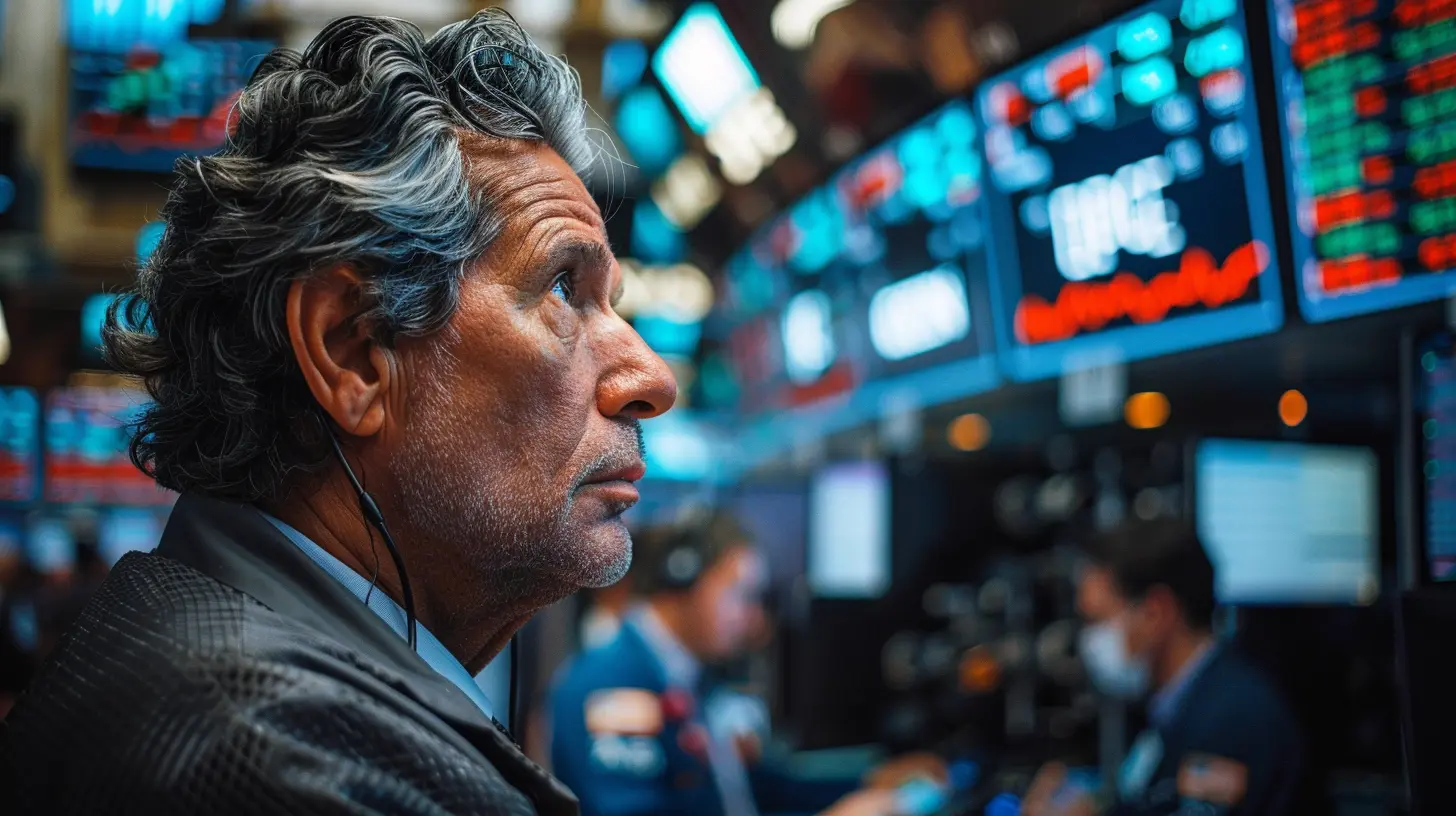
How Global Events Influence Stock Markets
Stock markets thrive on stability. Investors seek certainty, and any disruption—whether political, economic, or social—can shake their confidence. Here’s how global events send ripples through financial markets:1. Economic Crises & Recessions
Whenever economic turmoil strikes, the stock market tends to take a massive hit. The Great Depression (1929), the Dot-com Bubble (early 2000s), and the 2008 Financial Crisis are all prime examples.Take the 2008 Financial Crisis—it started in the U.S. but quickly spread worldwide. The collapse of Lehman Brothers triggered panic, and within months, markets across the globe were in freefall. Unemployment skyrocketed, businesses shut down, and stock values plummeted.
When the economy crumbles, investor confidence nosedives, leading to a domino effect of financial losses across global markets.
2. Wars and Geopolitical Instability
War doesn’t just impact people on the frontline—it rattles financial systems worldwide. Military conflicts, trade wars, and diplomatic tensions create uncertainty that investors absolutely loathe.For instance, when Russia invaded Ukraine in 2022, global markets reacted instantly. Oil prices surged, inflation spiked, and investors scrambled to safeguard their assets. The uncertainty surrounding major conflicts often results in stock sell-offs, currency fluctuations, and commodity price hikes.
Another example? The Gulf War in the early '90s sent oil prices soaring, which led to inflationary pressures in global markets, ultimately dragging stock indices down.
3. Pandemics and Public Health Crises
The COVID-19 pandemic is a textbook case of how public health crises can trigger a market meltdown. At the onset of the outbreak in early 2020, global stock markets tanked, with the Dow Jones Industrial Average suffering its biggest one-day drop in history.The world went into lockdown, businesses halted operations, unemployment soared, and supply chains crumbled. Investors panicked, pulling out of risky assets and causing widespread volatility.
However, once governments pumped massive stimulus packages into the economy and vaccines were introduced, markets rebounded. This proves one important lesson—market crashes, while painful, are often temporary.
4. Natural Disasters and Climate Events
Hurricanes, earthquakes, and other natural disasters can also send shockwaves through financial markets. Think about Hurricane Katrina in 2005 or the Fukushima disaster in 2011—these events caused billions in damages and disrupted industries, leading to stock market declines.Climate change is another looming threat. As extreme weather events become more frequent, industries like agriculture, insurance, and real estate could face massive financial losses, impacting stock market performance.
5. Political and Policy Shifts
Elections, policy changes, and government decisions have a direct impact on market sentiment. Investors closely watch government policies, tax changes, and central bank moves to gauge potential risks.For instance, Brexit in 2016 caused the British pound to plunge, and European markets took a hit. Similarly, when the U.S. Federal Reserve increases interest rates, it often leads to stock market corrections, as borrowing costs rise and investor sentiment shifts.
Even social movements and protests can create instability. The Hong Kong protests in 2019, for example, disrupted financial markets in Asia, affecting global investor confidence. 
Why Do Stock Markets React So Sharply?
Markets are driven by human emotion—fear and greed. When a major global event occurs, uncertainty spikes, and investors panic-sell, fearing further losses. This behavior creates hyper volatility, leading to sharp declines.Additionally, automated trading and algorithms amplify these swings. When market conditions worsen, trading bots execute massive sell orders, causing stocks to plunge even further in a short period.
In a nutshell, the stock market is like a herd of animals—when one starts running, the rest follow, often leading to dramatic crashes. 
Can Investors Prepare for These Crashes?
While no one can predict the future, smart investors use strategies to protect themselves from global event-driven crashes. Here’s how:1. Diversification Is Key
Don’t put all your eggs in one basket. Spreading investments across different sectors, asset classes, and geographical locations can reduce risk.2. Keep an Eye on Economic Indicators
Pay attention to inflation rates, employment data, interest rate changes, and geopolitical developments. These factors often signal potential downturns.3. Have a Long-Term Mindset
Market crashes are scary, but history shows that markets tend to recover over time. Patience is crucial—panic selling often leads to bigger losses.4. Maintain an Emergency Fund
Having cash reserves means you won’t be forced to sell investments at a loss during downturns.5. Consider Defensive Stocks
Investing in sectors like healthcare, utilities, and consumer staples can provide stability during economic turmoil.
Final Thoughts
Global events are unpredictable, and their impact on the stock market can be devastating. Wars, financial crises, pandemics, and policy shifts have all triggered market crashes in the past—and will likely do so in the future.While no one can completely avoid market downturns, staying informed, diversifying investments, and maintaining a long-term perspective can help weather the storm. Remember, the stock market is a marathon, not a sprint—those who stay the course often come out ahead.
all images in this post were generated using AI tools
Category:
Stock Market CrashAuthor:

Alana Kane