The Best Safe-Haven Investments During Stock Market Crises
26 May 2026
Investing can feel like riding a roller coaster—one moment, you're soaring to new heights, and the next, you're plummeting into uncertainty. Stock market crises can be nerve-wracking, leaving even the most seasoned investors scrambling for cover. But here's the good news: there are safe-haven investments that can help protect your wealth when the market takes a nosedive.
In this article, we'll dive into the best safe-haven investments to consider when stocks are in freefall. These assets serve as a financial lifeboat, keeping your portfolio afloat when the market is in turmoil.

What Is a Safe-Haven Investment?
Before we get into the specifics, let’s define what we mean by "safe-haven investments." Simply put, these are assets that tend to hold or increase in value during times of economic uncertainty. While the stock market can swing wildly, safe-havens act as a buffer, helping you preserve capital and reduce risk.Think of them as financial seatbelts—they don’t stop the crash, but they certainly help protect you from serious damage.
Now, let’s look at the best safe-haven investments you can turn to when the market goes haywire.
1. Gold: The Ultimate Safe Haven
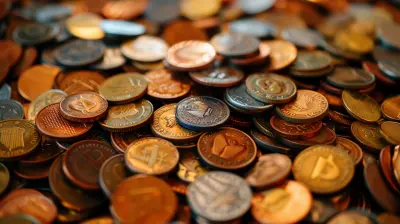
Gold has been a trusted store of value for centuries. When markets tumble, investors rush to gold because it tends to retain its worth, even when everything else is falling apart.Why Gold Works During Market Crises
- Hedge Against Inflation: Unlike paper money, gold isn’t affected by inflation. It holds its value over time.- Global Demand: No matter where you are in the world, gold is recognized and valued.
- Limited Supply: Unlike fiat currency, which can be printed endlessly, gold has a finite supply, making it a strong store of value.
How to Invest in Gold
- Physical Gold: Buying gold bars or coins is an option, though storage can be a hassle.- Gold ETFs: Exchange-traded funds (ETFs) let you invest in gold without the need for storage.
- Gold Mining Stocks: Investing in mining companies can provide exposure to gold prices with potential additional gains.

2. U.S. Treasury Bonds: The Government’s IOU
U.S. Treasury bonds are another go-to safe-haven investment. When stock markets crash, investors flock to Treasuries because they’re backed by the U.S. government, making them one of the safest investments available.Benefits of U.S. Treasury Bonds
- Guaranteed Payments: You get regular interest payments and your principal back at maturity.- Low Risk: Since they're issued by the government, the risk of default is virtually nonexistent.
- Liquidity: Treasuries are highly liquid, meaning you can quickly sell them if needed.
Best Treasury Bonds for Uncertain Times
- Short-Term Treasury Bills: These mature in a year or less and provide quick access to your money.- Long-Term Treasury Bonds: While they lock in your money for a longer period, they provide steady interest payments.

3. Cash & High-Yield Savings Accounts
Sometimes, the best move during a stock market crisis is to hold cash. While it might not grow your wealth, it offers stability and liquidity. Plus, a high-yield savings account ensures your cash continues to earn some interest while you wait for better opportunities.Why Holding Cash Can Be a Smart Move
- Liquidity: Immediate access to funds, allowing you to act when opportunities arise.- No Market Volatility: Unlike stocks, cash doesn’t lose value due to market swings.
- Flexibility: You can re-enter the market when stock prices hit rock bottom.
Best Ways to Store Cash
- High-Yield Savings Accounts: These offer higher interest rates than traditional savings accounts.- Money Market Accounts: A safe place to park your cash while earning some returns.
4. Defensive Stocks: Companies That Thrive in Any Market
Not all stocks crash during a crisis. Defensive stocks, such as those in the healthcare, utility, and consumer staples industries, tend to perform better during downturns because people still need their products and services.Examples of Defensive Stocks
- Healthcare Companies: People will always need medical care, regardless of the economy.- Utility Providers: Electricity, water, and gas remain essential no matter what happens in the markets.
- Consumer Staples: Companies that sell everyday goods (toothpaste, soap, food) see steady demand even in recessions.
5. Precious Metals Beyond Gold
While gold steals the spotlight, other precious metals like silver, platinum, and palladium also serve as safe havens. Silver, for example, tends to follow gold’s price movements but is more affordable. Platinum and palladium, widely used in industrial applications, can also hold their value during uncertainty.Why Consider Other Precious Metals?
- Silver: More affordable than gold and used in industrial applications.- Platinum & Palladium: Essential for the automotive industry, making them valuable even during downturns.
6. Real Estate: A Tangible Asset
Real estate is another solid safe-haven investment. While stock markets can crash overnight, real estate values tend to be more stable. Plus, during economic uncertainty, rental properties can provide a steady income stream.Why Real Estate Is a Good Safe Haven
- Tangible Asset: Unlike stocks, real estate is a physical asset, maintaining intrinsic value.- Rental Income: Even during recessions, people need places to live, ensuring steady cash flow.
- Potential for Appreciation: Over time, real estate generally increases in value.
Best Types of Real Estate Investments
- Rental Properties: Generate passive income while securing a long-term investment.- REITs (Real Estate Investment Trusts): Invest in real estate without the hassle of property management.
7. Cryptocurrencies: A Modern Safe Haven?
Cryptocurrencies like Bitcoin have emerged as potential safe-haven assets. While highly volatile, Bitcoin is often referred to as "digital gold" because it can serve as a hedge against traditional financial markets.Is Bitcoin a True Safe Haven?
- Decentralized Nature: Not controlled by governments, making it a hedge against currency devaluation.- Limited Supply: Like gold, Bitcoin has a capped supply (21 million coins), adding to its scarcity value.
- Increasing Adoption: More institutions are investing in Bitcoin, giving it more credibility.
Risks to Consider
- High Volatility: Prices can swing wildly in a short period.- Regulatory Concerns: Governments are still figuring out how to regulate cryptocurrencies.
Final Thoughts
Market crashes are inevitable, but they don’t have to wreak havoc on your portfolio. By diversifying into safe-haven investments like gold, Treasury bonds, cash, real estate, and even defensive stocks, you can create a financial safety net.Remember, investing isn’t about avoiding risks entirely—it’s about managing them wisely. Safe-haven assets provide the stability and peace of mind you need when markets are in chaos. So, next time the stock market takes a dive, you’ll be ready with a well-balanced and resilient portfolio.
all images in this post were generated using AI tools
Category:
Stock Market CrashAuthor:

Alana Kane
Discussion
rate this article
1 comments
Stephen McGrath
When the stock market plays hide and seek, it's time to channel your inner squirrel. Stash away those nuts in gold, bonds, or maybe even some vintage comic books. Remember, it's not about dodging the storm, but finding the coziest tree to ride it out. Happy investing!
May 31, 2026 at 3:46 AM
Alana Kane
Great perspective! Finding those safe havens is key. Happy investing to you too!