Stock Market Crashes and Economic Recessions: What’s the Link?
15 June 2026
The stock market crashes, and the economy tumbles—sound familiar? If you've ever wondered why these two seem so intertwined, you're not alone. Many people assume that a stock market crash automatically leads to a recession, but is that really the case? It’s time to break it all down in simple terms so we can understand the connection between stock market crashes and economic recessions. 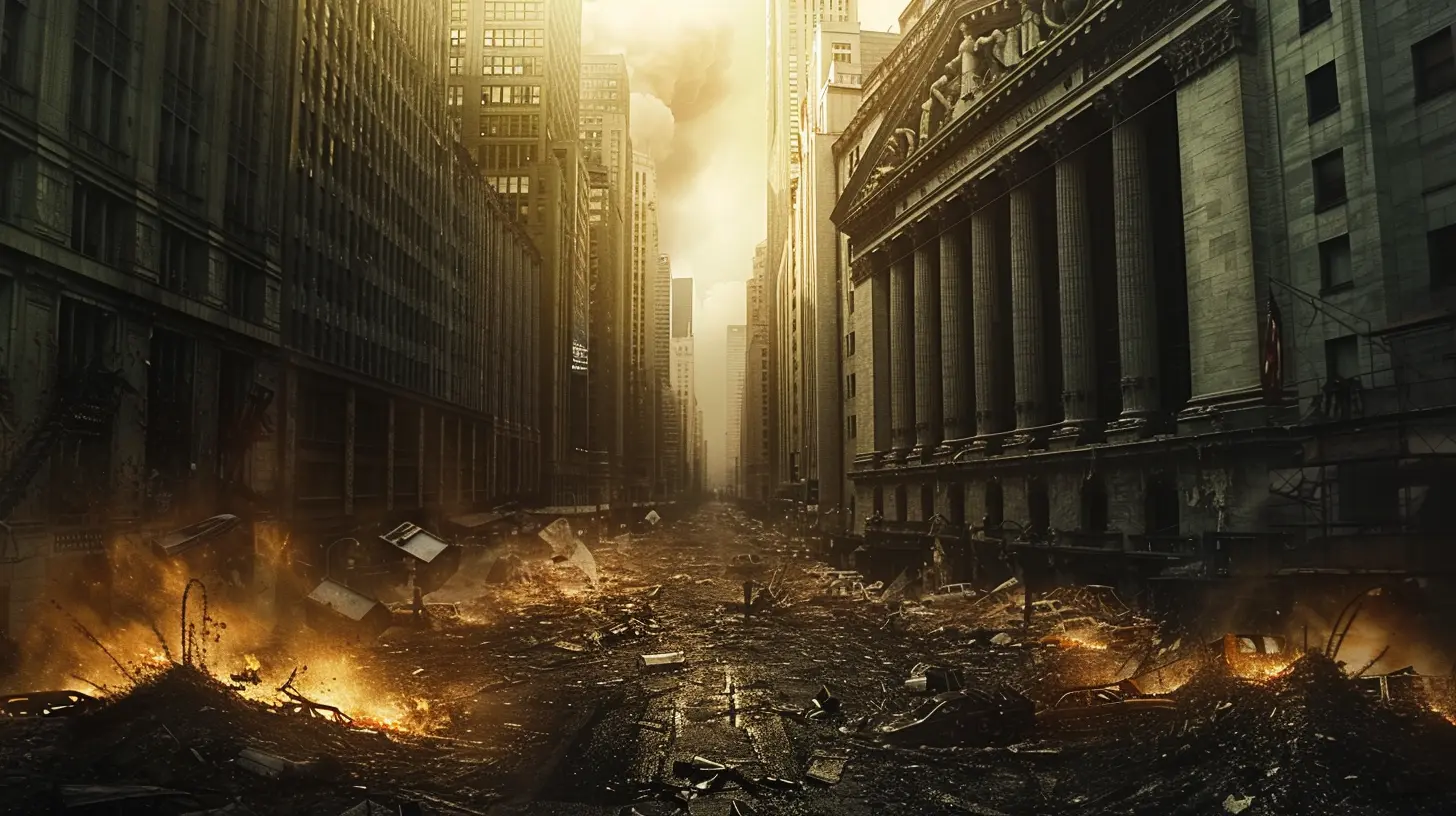
What Is a Stock Market Crash?
First, let’s define the basics. A stock market crash happens when stock prices plummet suddenly and significantly. This can be triggered by economic uncertainty, financial crises, or even panic selling by investors. Some of the most famous crashes in history include:- 1929 – The Great Depression crash
- 1987 – Black Monday
- 2008 – The Global Financial Crisis
When markets crash, investors lose confidence, sell off their stocks, and wipe out billions (sometimes trillions) in market value. But does that always mean the economy is headed for disaster? Not necessarily. 
What Is an Economic Recession?
A recession is a period of economic decline, typically lasting at least two consecutive quarters (six months). During a recession, we see:- Rising unemployment
- Declining GDP (Gross Domestic Product)
- Lower consumer spending
- Business closures and bankruptcies
Recessions can be caused by various factors, including high inflation, financial crises, interest rate hikes, or—yes, you guessed it—a stock market crash. But here’s the thing: while a crash might contribute to a recession, the two don’t always go hand in hand. 
How Are Stock Market Crashes and Recessions Linked?
1. Investor Panic Causes Economic Slowdowns
Imagine a domino effect—when stock prices crash, investors lose money fast. This can lead to panic, making people hesitant to invest or spend money. Businesses struggle to secure funding, companies cut jobs, and economic activity slows down.2. Wealth Effect & Consumer Spending
When the stock market is booming, people feel wealthier and tend to spend more. But when stocks crash, that "wealth effect" reverses. Suddenly, people tighten their wallets, reducing demand for goods and services—this weaker spending can drag the economy down.3. Banks & Financial Institutions Take a Hit
Banks and financial firms invest heavily in the stock market. When markets crash, their investments shrink, and they become more cautious about lending. Businesses and individuals find it harder to get loans, which further slows economic growth.4. Corporate Layoffs & Economic Confidence Decline
Many companies rely on their stock value for funding and expansion. When a crash happens, these companies may cut costs through layoffs or reduced hiring. Fewer jobs mean less spending, and less spending puts additional strain on the economy.
Do All Stock Market Crashes Lead to Recessions?
Not necessarily. While some crashes have preceded recessions, stock markets often recover without pulling the entire economy down with them. A stock market crash is like a bad storm—sometimes it passes with minimal damage, but other times it can cause widespread devastation.For example:
- 1987 Black Monday – The market lost over 20% in a single day, but the economy didn’t fall into recession.
- 2000 Dot-Com Bubble – The stock market fell drastically, yet the economy experienced only a mild recession.
On the other hand, the Great Depression (1929) and the 2008 Financial Crisis show that when a crash is tied to deeper financial problems, it can drag the entire economy into recession.
What Causes a Stock Market Crash?
Now that we know crashes and recessions don't always go hand in hand, let's break down why a crash happens in the first place. Here are some common triggers:1. Economic Bubbles Bursting
Remember the dot-com bubble? Investors poured money into tech stocks in the late '90s, inflating prices beyond reasonable levels. When reality set in, the bubble burst, and prices plummeted.2. Panic Selling & Investor Overreaction
Markets thrive on confidence, and when fear kicks in, investors rush to sell their stocks. The more people sell, the worse things get—creating a downward spiral.3. High Interest Rates
When central banks raise interest rates to control inflation, borrowing becomes expensive. Businesses slow down, consumers spend less, and stocks take a hit.4. Geopolitical Crises & Global Uncertainty
Wars, trade wars, pandemics—you name it. These events shake investor confidence and can send the stock market into turmoil.Can a Recession Happen Without a Stock Market Crash?
Absolutely! Not every recession starts with a stock market crash. Some recessions are caused by:- High inflation (like the 1970s stagflation crisis)
- Oil price shocks
- Housing market collapses
- Global supply chain disruptions
A stock market crash can accelerate or worsen a recession, but a recession doesn't always need a stock market crash to begin.
How Can Investors Protect Themselves?
If you’re an investor, the idea of a market crash is terrifying. But history shows that markets always recover in the long run. Here are a few strategies to stay prepared:1. Diversify Your Portfolio
Don’t put all your eggs in one basket. Spread your investments across different industries, asset classes (stocks, bonds, real estate), and even global markets.2. Keep a Long-Term Perspective
Market crashes are temporary. If you're investing for the long term, short-term downturns shouldn't shake you.3. Avoid Emotional Trading
Panic selling is the fastest way to lock in losses. Stay calm and stick to your investment strategy—even when the market is dropping.4. Have an Emergency Fund
A recession can lead to job losses. Keep an emergency fund that covers 3-6 months of expenses so you’re not forced to sell investments at a bad time.Final Thoughts
So, what's the real link between stock market crashes and economic recessions? The stock market is a leading indicator—meaning it reacts to economic events before they happen. While a market crash can trigger or worsen a recession, they don't always go hand in hand.Think of it like this: A stock market crash is like a fire alarm going off. Sometimes it signals a real disaster (like in 1929 or 2008), and sometimes it's a false alarm (like in 1987). Understanding the difference helps investors and economies prepare without unnecessary panic.
By staying informed and making smart financial decisions, you can navigate market ups and downs with confidence. After all, history shows that even the worst crashes eventually recover. Keep your head up, stay invested, and don’t let short-term shocks throw you off course!
all images in this post were generated using AI tools
Category:
Stock Market CrashAuthor:

Alana Kane
Discussion
rate this article
1 comments
Amalia Mathews
This article highlights the intricate relationship between stock market crashes and economic recessions. Understanding historical patterns can help investors navigate future downturns and make informed decisions during volatile market conditions. Insightful read!
July 8, 2026 at 2:43 AM