Signs That a Stock Market Crash May Be Coming
21 May 2026
Let’s be real—just the phrase “stock market crash” can make even the calmest investor clutch their coffee a little tighter. It sounds scary, doesn’t it? But hey, knowledge is power, and being aware of the potential signs of a market meltdown can actually help you sleep better at night (and maybe even make smarter financial moves).
In this post, we’re gonna break it all down—clear and simple. You don’t have to be Warren Buffett or have a finance degree to understand this stuff. Promise. So grab your favorite snack, and let’s talk about the signs that a stock market crash might be on the horizon.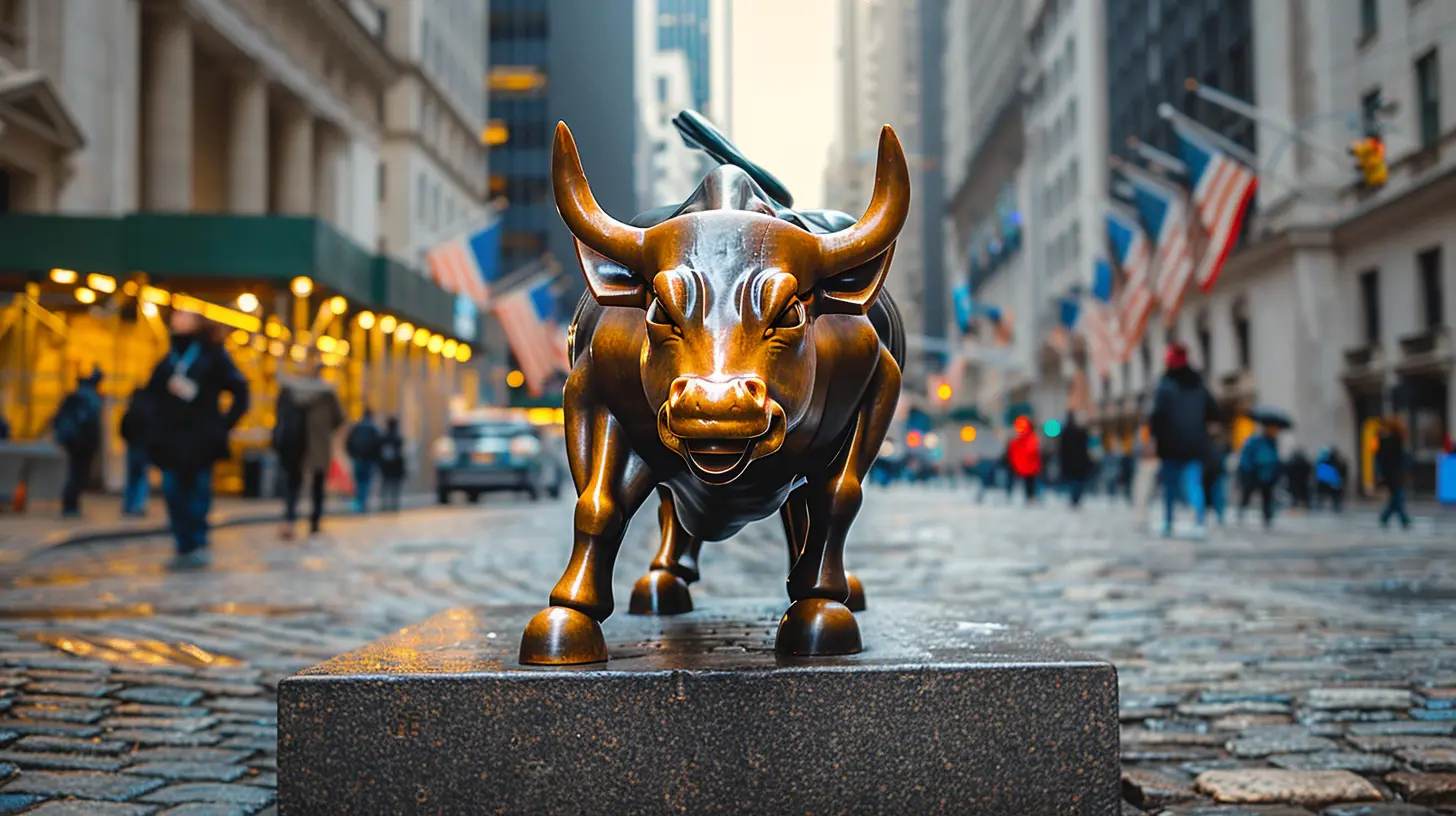
What Exactly Is a Stock Market Crash?
Alright, before we dive in, let’s get on the same page.A stock market crash is basically when the overall value of the stock market takes a huge nosedive in a very short period of time. Think of it like a financial earthquake—sudden, unexpected (most of the time), and potentially very damaging if you’re not prepared.
But here's the thing: crashes don’t happen out of nowhere. Usually, there are warning signs. Just like dark clouds before a thunderstorm.
So, what are these signs?
1. Sky-High Stock Valuations
Imagine someone selling a slice of pizza for $100. You’d probably raise an eyebrow, right?That’s kind of what’s happening when stock prices get ridiculously high compared to their actual earnings—known in finance speak as the P/E (price-to-earnings) ratio. While a high P/E ratio isn’t always a red flag, if it becomes the norm across the market, it could mean the market’s in fantasy land and overdue for a reality check.
Watch For:
- Market-wide high P/E ratios- Companies with big valuations but no actual profits
- Investors ignoring fundamentals (like earnings and revenue growth)
2. Increased Market Volatility
You know how calm waters suggest everything is fine, but choppy waves mean a storm might be brewing? Same goes with the stock market.When you see wild swings—big gains followed by sharp drops (and repeat)—that’s market volatility. It's like the market can’t decide what mood it’s in. Higher-than-usual volatility, especially without news to back it up, could be a sign that a crash is on the way.
Watch For:
- The VIX (also known as the “fear index”) spiking- Big daily swings in the major indexes like the S&P 500 or Dow
- Headlines full of uncertainty and panic

3. A Sudden Boom in Speculation
Remember the GameStop saga? Yeah, speculation can get wild.When everyday folks (and their neighbors) start treating investing like gambling, and when meme stocks or crypto coins with cute dog logos skyrocket for no clear reason—it might be time to be cautious.
A market fueled by hype rather than fundamentals is like a Jenga tower built on wobbly table. Fun, sure. Stable? Not so much.
Watch For:
- Massive interest in IPOs with zero profits- Retail trading platforms booming (cough, Robinhood)
- “Hot stock tips” from your dog walker or barista
4. Rising Interest Rates
Interest rates are like the “gravity” of financial markets.When rates are low, money flows freely. People borrow more, spend more, and invest more. But when the central bank (like the Federal Reserve in the U.S.) starts hiking interest rates? That’s like slowly increasing the gravitational pull. Investors feel it. Hard.
Higher interest rates can spook the market by making borrowing costlier and reducing future profits. It can also make safer investments (like bonds) more appealing than risky stocks.
Watch For:
- Rate increases announced by central banks- Rising yields on government bonds
- Mortgage and loan rates climbing fast
5. Yield Curve Inversion
Okay, this one sounds super nerdy, but bear with me—it’s actually pretty cool.Normally, long-term interest rates are higher than short-term ones. Why? Because people want more reward for locking their money up longer. But when the yield curve inverts—meaning short-term rates are higher than long-term rates—it often signals that investors are nervous about the near future.
And guess what? Inverted yield curves have predicted nearly every recession in the past 50 years. Pretty solid track record, huh?
Watch For:
- The 2-year Treasury yield jumping above the 10-year- Financial news buzzing about “yield curve inversion”
- Wall Street analysts drinking more coffee than usual
6. Economic Softness
The stock market and the economy aren’t the same thing... but they’re definitely friends. When the economy starts to look shaky, the market usually starts to sweat.Think job losses, slowing company earnings, weak GDP, and inflation outpacing wage growth. If consumers stop spending, businesses hurt, and stock values can tumble.
Watch For:
- Unemployment rate ticking up- Company earnings missing expectations
- Retail sales and consumer confidence falling
7. Surge in Corporate Debt
Debt itself isn’t the enemy. But too much of it? That’s a problem. Especially when companies are borrowing money not to grow—but just to survive.When businesses start piling on debt just to keep the lights on, and interest rates start rising, paying off that debt becomes a lot harder. That can lead to bankruptcies… and market panic.
Watch For:
- Big firms warning of cash flow problems- Corporate bankruptcy filings on the rise
- Credit rating agencies downgrading major companies
8. Geopolitical Tensions and Global Shocks
Let’s face it—earthquakes, wars, pandemics, and political dramas can shake more than just headlines. They can seriously mess with markets.Why? Because uncertainty makes investors nervous. And nervous investors often run for the hills (aka sell their stocks).
Watch For:
- Global conflicts and wars- Trade disputes or sanctions
- Political instability in major economies
9. Overconfidence and Herd Mentality
Have you ever been to a party where everyone was excited about the same thing, until suddenly, they weren’t?Markets often work like that. When everybody’s bullish, buying like mad, and convinced stocks can only go up—that’s actually a flashing red light. Overconfidence can lead to bubbles. And bubbles pop.
Watch For:
- “This time it’s different” narratives- Record-high margin debt (aka borrowing money to buy stocks)
- Celebrities giving investment advice (yikes)
10. Sudden Sell-offs by Big Players
Pay attention to what the “smart money” is doing.When institutional investors—pension funds, hedge funds, and even CEOs—start quietly selling their shares, it could mean they know something regular folks don’t. That kind of mass exit can trigger panic selling and accelerate a crash.
Watch For:
- Insider selling (when company executives dump shares)- Hedge fund managers scaling back risk exposure
- Big drops in stock prices without news to justify it
So… Should You Panic?
Absolutely not. Being aware of the signs doesn’t mean you need to run for the hills. In fact, many seasoned investors look at downturns as opportunities. Think of a crash like a huge sale on the stock market rack. If your financial strategy is sound and long-term focused, you’re gonna be okay.Here’s what to do instead:
- Review your portfolio—not panic-sell everything
- Make sure you’re diversified (not all your eggs in one basket)
- Have some cash handy for dips
- Stay calm, and remember: markets always bounce back
Final Thoughts
The stock market doesn’t come with a crystal ball. No one can perfectly predict when a crash will hit. But by keeping an eye on the signs and staying grounded in your investing approach, you can weather any storm like a pro.Sure, the market might wobble. It might even fall. But it’s also probably going to rise again—just like it always has.
So breathe, stay curious, and keep learning. You’ve got this!
all images in this post were generated using AI tools
Category:
Stock Market CrashAuthor:

Alana Kane
Discussion
rate this article
1 comments
Rook Cruz
Watch signals dance, whispers of caution arise...
May 27, 2026 at 2:17 AM
Alana Kane
Absolutely, the signals are often subtle but telling. Staying alert is key.