Lessons Learned from Historical Stock Market Crashes
19 August 2026
Investing in the stock market is often portrayed as a path to wealth, but history has shown us that it’s not always a smooth ride. Over the years, we’ve witnessed major market crashes that wiped out fortunes, caused panic, and reshaped economies. While market downturns are painful, they also offer valuable lessons.
In this article, we’ll dive into some of the most significant stock market crashes, examine what went wrong, and highlight key takeaways to help investors stay prepared for future downturns.
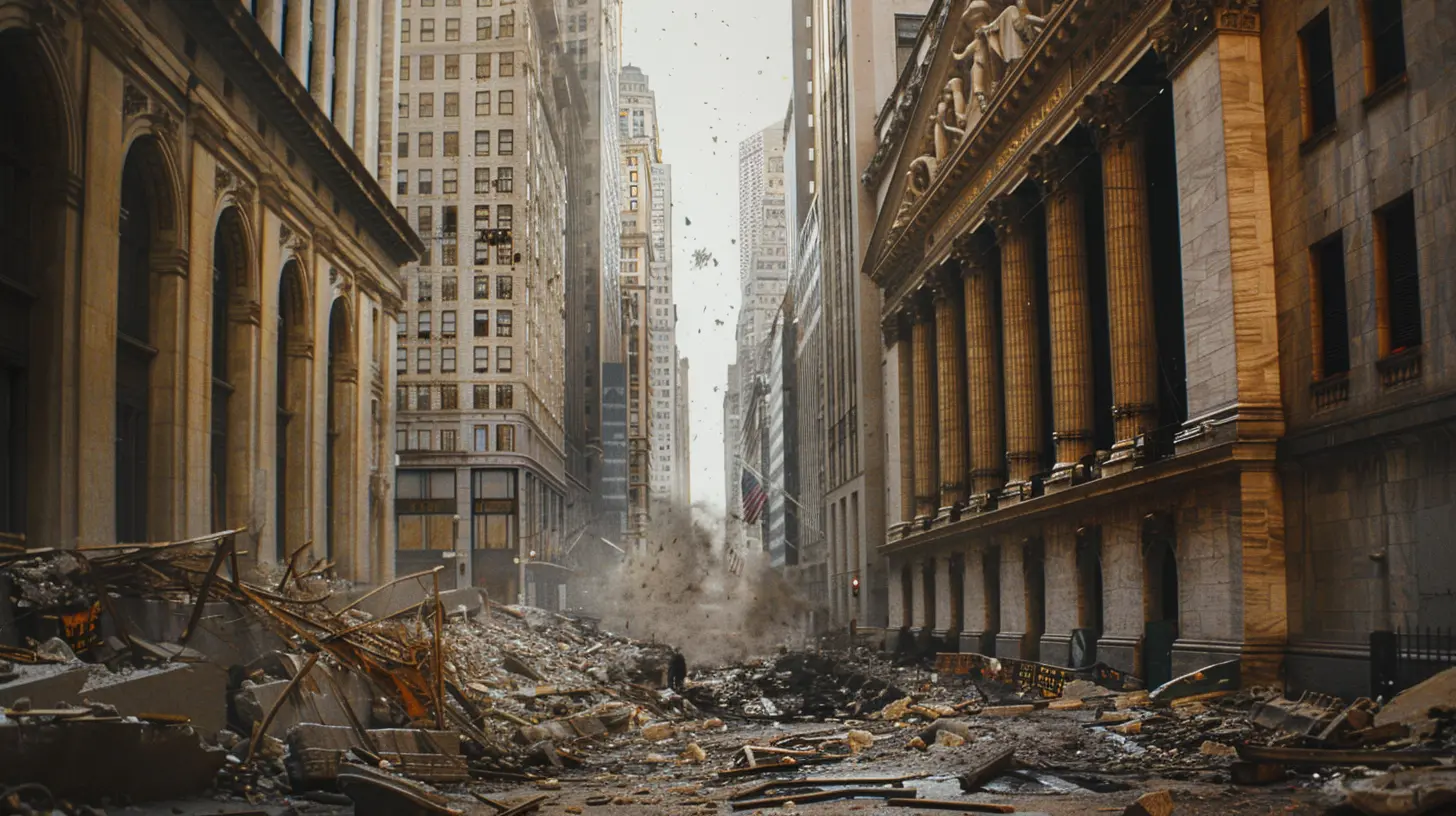
The Great Crash of 1929 – The Start of the Great Depression
The 1929 stock market crash remains one of the most infamous financial disasters in history. It marked the beginning of the Great Depression, a decade-long economic downturn that left millions jobless and economies in shambles.What Went Wrong?
- Speculative Bubble – The 1920s, known as the "Roaring Twenties," saw an economic boom with stock prices surging. Many investors bought stocks on margin (using borrowed money).- Panic Selling – When the market showed signs of trouble, fear spread like wildfire, leading to mass panic and a market collapse.
- Lack of Regulations – Without strong financial regulations, risky and speculative investments flourished, leading to market instability.
Lessons Learned
✅ Avoid Excessive Leverage – Borrowing money to invest might seem like a great idea in a bull market, but it’s a double-edged sword. If prices fall, you could lose everything.✅ Diversification is Key – Putting all your money into stocks—especially highly speculative ones—is a recipe for disaster. A balanced portfolio can cushion your losses.
✅ Markets Can Stay Down for a Long Time – The Great Depression lasted for a decade. Recovery takes time, so patience is crucial.
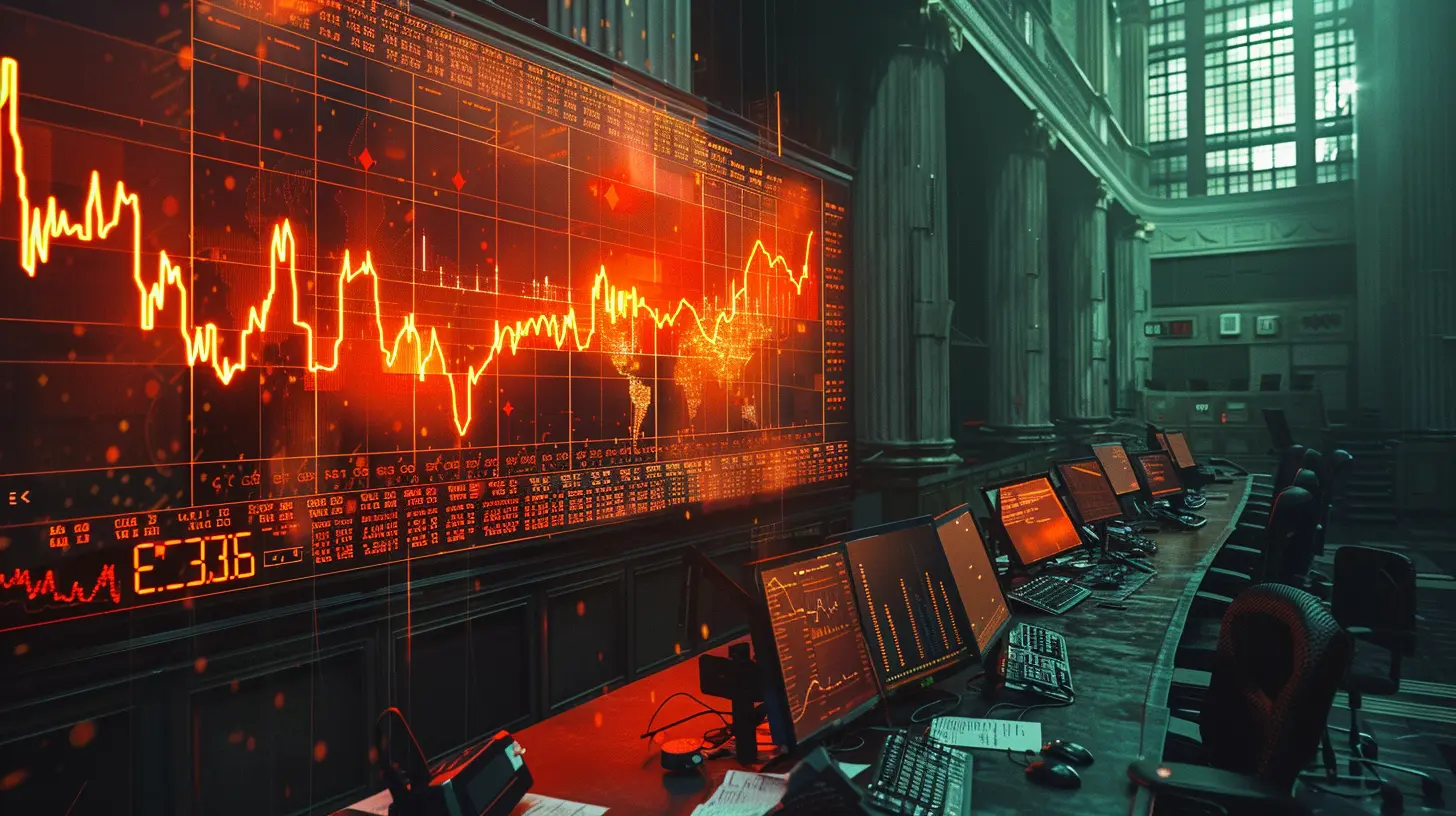
Black Monday (1987) – The Market Meltdown in a Single Day
On October 19, 1987, the stock market experienced its worst single-day percentage drop. The Dow Jones Industrial Average fell by 22.6% in just one trading session.What Went Wrong?
- Program Trading – Automated computer trading triggered mass sell-offs, accelerating the crash.- Psychological Panic – Fear and uncertainty gripped investors, leading to irrational decision-making.
- No Clear Economic Cause – Unlike other crashes, Black Monday wasn’t driven by a major economic crisis—it was more of a market correction gone extreme.
Lessons Learned
✅ Market Volatility is Unpredictable – Even when everything seems fine, markets can turn on a dime. Always stay prepared for sudden drops.✅ Stay Calm and Avoid Panic Selling – Many investors who sold during Black Monday missed out on the rebound. The market recovered within two years.
✅ Technology Can Exacerbate Market Moves – Automated trading can create unintended domino effects. While technology improves efficiency, it can also lead to abrupt market swings.

The Dot-Com Bubble Burst (2000-2002) – The Tech Sector’s Wake-Up Call
The late 1990s saw a boom in internet-related companies. Investors threw money at anything with ".com" in its name, believing these companies would revolutionize the economy. The bubble burst in early 2000, wiping out trillions of dollars in market value.What Went Wrong?
- Irrational Exuberance – Investors were overly optimistic, bidding up stock prices without considering fundamentals (profitability, revenue, etc.).- Overvaluation of Tech Stocks – Companies with little to no earnings had sky-high valuations based purely on hype.
- Mass Sell-Off and Fear – When investors realized these companies weren’t profitable, mass selling began, triggering a prolonged bear market.
Lessons Learned
✅ Fundamentals Matter – A company’s potential is important, but if it’s not making money, it’s a risky bet. Valuation should be based on real earnings, not hype.✅ Don’t Follow the Crowd – Just because everyone is investing in a hot sector doesn’t mean it’s a good idea. If an investment seems too good to be true, it probably is.
✅ Have an Exit Strategy – When speculative bubbles form, they eventually pop. Knowing when to take profits can help protect your wealth.
The 2008 Financial Crisis – The Housing Bubble and Global Recession
The financial crisis of 2008 was triggered by the collapse of the U.S. housing market and the failure of major financial institutions. It resulted in a global economic crisis, massive job losses, and a prolonged market downturn.What Went Wrong?
- Subprime Mortgage Lending – Banks gave out risky loans to borrowers who couldn't afford them.- Excessive Risk-Taking by Banks – Financial institutions bundled bad loans into securities and sold them as safe investments.
- Lehman Brothers Collapse – The failure of Lehman Brothers in September 2008 sent shockwaves through the global economy.
Lessons Learned
✅ Risk Management is Crucial – Banks and investors ignored the risks of reckless lending and complex financial products. Always understand what you’re investing in.✅ Government Intervention Matters – Stimulus packages, bailouts, and monetary policies played a huge role in stabilizing the economy.
✅ A Diversified Portfolio Can Reduce Risk – Investors with exposure only to financial and housing-related stocks suffered significant losses. Spreading investments across various sectors can provide protection.
The COVID-19 Crash (2020) – A Lesson in Resilience
In early 2020, the stock market experienced a historic crash due to the COVID-19 pandemic. Uncertainty and fear caused massive sell-offs, with the S&P 500 plunging over 30% within weeks. However, unlike previous crashes, the recovery was swift.What Went Wrong?
- Global Economic Shutdown – Businesses closed, unemployment soared, and economic activity came to a standstill.- Uncertainty and Panic Selling – Fear of the unknown led to widespread panic in financial markets.
- Supply Chain Disruptions – A halt in production and trade further worsened economic conditions.
Lessons Learned
✅ Markets Can Rebound Quickly – Unlike past crashes, the market bounced back within months, thanks to massive stimulus efforts and monetary policies.✅ Long-Term Investing Pays Off – Investors who stayed patient and didn’t sell at the bottom saw their portfolios recover.
✅ Emergency Funds Are Essential – The pandemic highlighted the importance of having an emergency fund to survive unexpected financial shocks.
How to Prepare for the Next Market Crash
No one can predict exactly when the next market crash will happen, but history tells us it’s inevitable. The most successful investors aren’t those who avoid crashes—they’re the ones who prepare for them.Tips to Stay Ready:
✔️ Stay Diversified – A mix of stocks, bonds, and other assets can help reduce risk.✔️ Stick to a Long-Term Plan – Buying and holding solid investments beats panic selling.
✔️ Have an Emergency Fund – A safety net can help you weather financial downturns.
✔️ Avoid Emotional Decisions – Fear and greed are the biggest enemies of investing.
✔️ Keep Learning – Understanding market history can help you make better decisions.
Final Thoughts
Stock market crashes are painful, but they also serve as wake-up calls for investors. The key takeaway? Markets are cyclical—what goes up will eventually come down, but they also recover. By learning from past crashes, staying diversified, managing risk, and keeping emotions in check, investors can navigate turbulent times with confidence.Invest wisely, stay patient, and remember: every market crash in history has been followed by a recovery.
all images in this post were generated using AI tools
Category:
Stock Market CrashAuthor:

Alana Kane