Inflation and the Wage Gap: Who Loses in the Race?
16 February 2026
Let’s face it—money has a sneaky way of running away from us, faster than we can catch it. You get a raise, and before you know it, your grocery bill is higher, rent’s gone up, and your paycheck doesn’t stretch the way it used to. It’s like trying to run on a treadmill that keeps speeding up. That treadmill? It’s inflation. And right beside it, limping along, is the wage gap.
So here’s the million-dollar question (pun intended): In the race between rising prices and our paychecks, who’s losing the most?
Buckle up, because we’re about to break it all down in plain English—no confusing jargon, no Wall Street lingo—just the raw, brutally honest truth about inflation, the wage gap, and the people caught in the middle.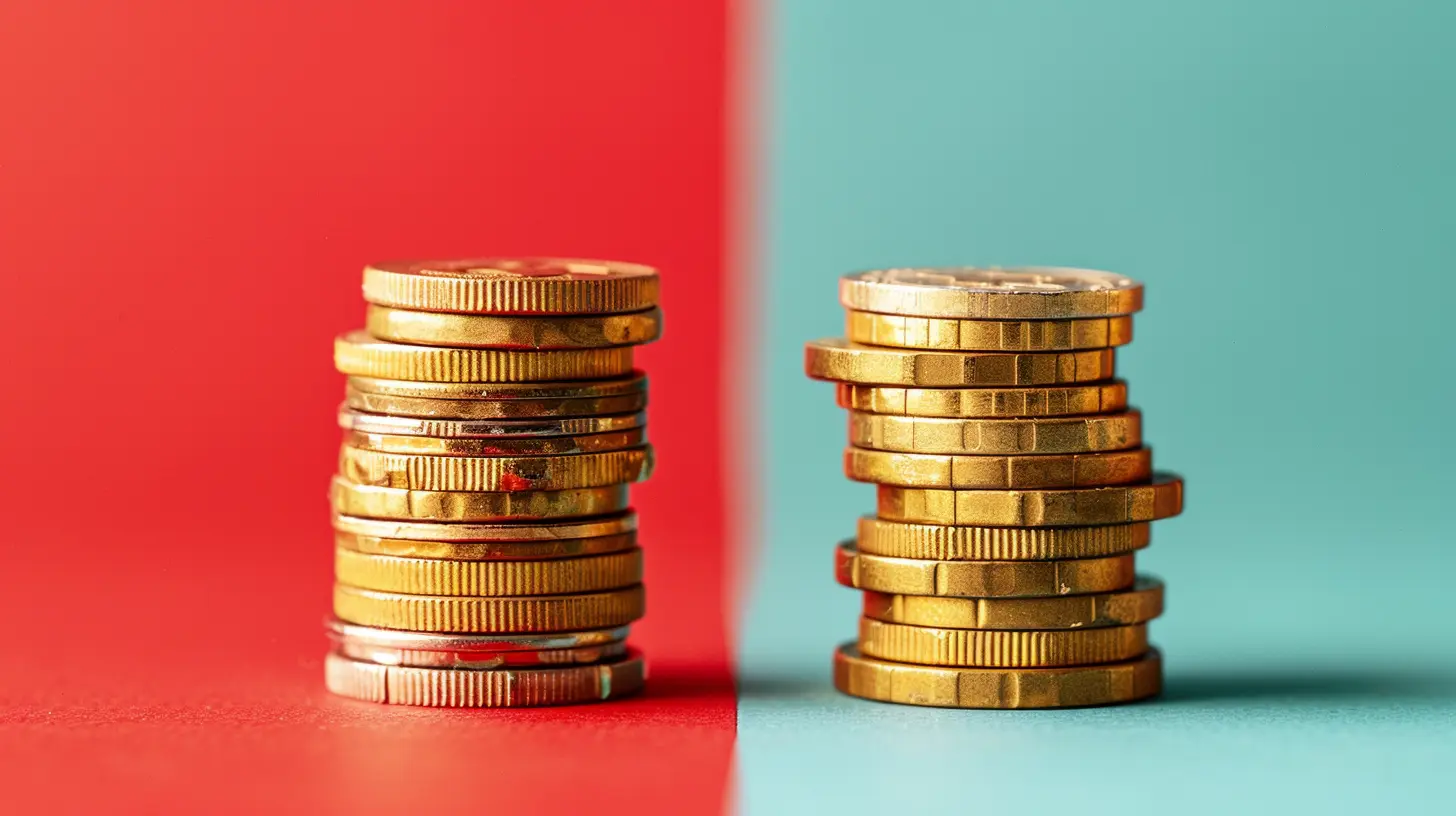
What Is Inflation Anyway?
Alright, picture this. You walk into your favorite coffee shop. A year ago, your go-to vanilla latte cost $4. Today? It’s $5.25. That, in a nutshell, is inflation. It’s the general increase in prices over time, which means your money buys less now than it did before.A Bit More Technically...
Inflation is measured by the Consumer Price Index (CPI), which tracks the price changes of everyday goods and services—like food, rent, fuel, healthcare, and more. When inflation goes up, the cost of living rises with it.
Now, Let’s Talk About the Wage Gap
The wage gap is a bit more complex. It’s essentially the differences in earnings between groups—usually broken down by gender, race, education, and job type. For example, women in the U.S. earn around 82 cents for every dollar a man earns. And Black and Hispanic workers typically earn less than their white counterparts, even when doing the same job.The Wage Gap Isn’t Just a Buzzword
Some people think the "wage gap" is blown out of proportion, but it’s not just about hourly pay. It’s about access. Access to promotions, to high-paying industries, to financial stability. So when we talk about the wage gap, we’re talking about decades of systemic issues that keep certain groups earning less than others.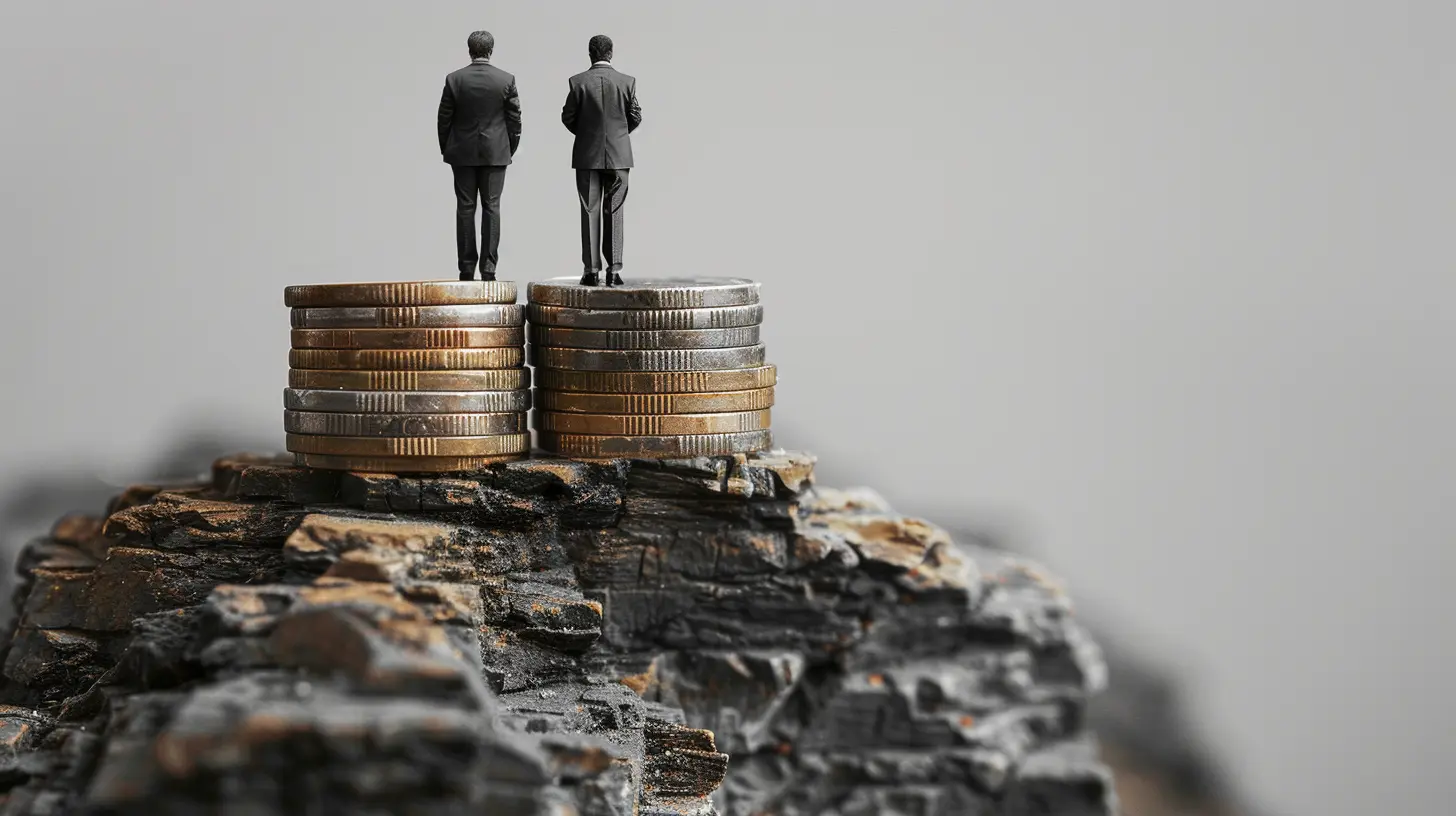
So, How Do Inflation and the Wage Gap Interact?
Now this is where things get interesting—and kind of unfair. When inflation hits, everyone's expenses go up. But not everyone’s wages increase at the same rate. If you're already underpaid due to the wage gap, inflation hits you harder.Imagine two runners on a track. One is 100 meters ahead (higher wage), and both runners start running faster (inflation rises). But the runner behind can’t catch up because their legs (aka wages) are stuck in mud. That’s what inflation does to those who are already earning less.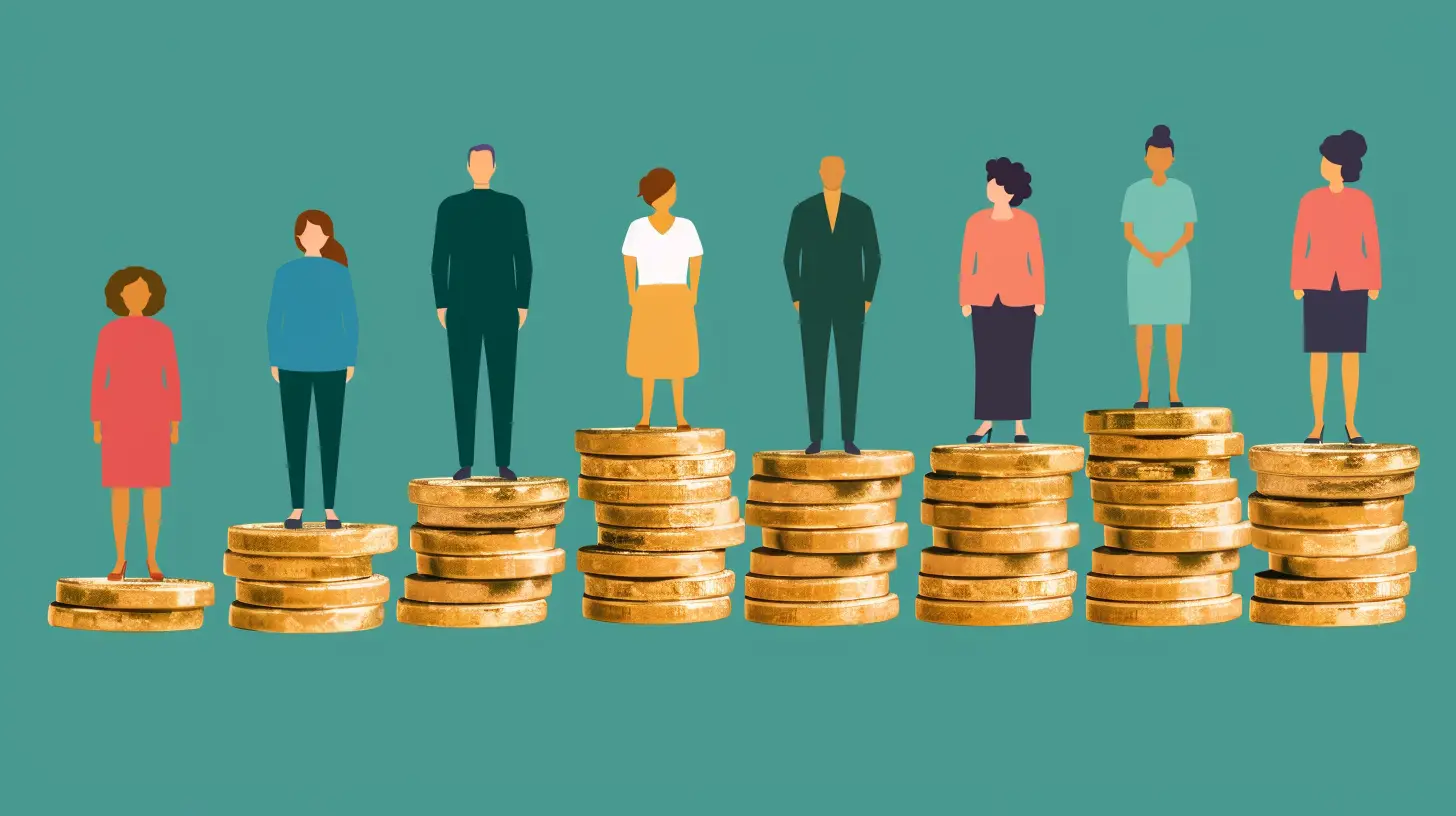
Winners and Losers: Who Really Gets Crushed?
1. Low-Income Workers
Low-income workers often spend a higher percentage of their pay on basic needs like housing, food, and transportation. So, when these essentials get more expensive, their budgets explode.And here's the worst part—many of these workers don’t get regular pay raises, or any raises at all. Meanwhile, their bills keep climbing. It's like trying to fill a leaky bucket.
2. Women and Marginalized Groups
Women—especially single mothers—and marginalized communities face a double whammy. Thanks to the wage gap, they earn less to begin with. Toss inflation on top, and they’re more likely to skip meals, miss rent, or delay healthcare.Also, industries that predominantly employ women—like service, education, and caregiving—often lag behind in wage increases. So while prices soar, their incomes crawl.
3. The Middle Class
Yep, the good ol’ middle class isn’t immune either. Their wages might grow faster than minimum-wage jobs, but often not fast enough to keep up with the cost of living. Think insurance premiums, tuition, or home prices—those have outpaced wage growth for years.And if you're in an upper-middle-income bracket, you usually don’t qualify for government aid but still feel the pinch. That’s the frustrating middle ground: too "rich" for help, but not rich enough to breathe easy.
What About High Earners?
Here’s the twist: inflation barely dents those in executive-level or high-income positions.Why? Because they typically have other income sources—like investments, property, or business profits—that actually benefit from inflation. Real estate and stocks often rise in value during inflationary decades. So, while everyday folks are counting pennies, the wealthy are counting dividends.
Can Wages Keep Up with Inflation?
They can—but it’s rare.Why Wages Don’t Always Catch Up:
1. Corporate Delay: Many companies wait until the last possible moment to adjust wages.2. Power Imbalance: Workers often lack bargaining power, especially in non-union jobs.
3. Profit First, People Later: Some businesses prioritize profits over employee well-being. Sad but true.
When wages don’t grow with inflation, it’s called “real wage stagnation.” That means your income might go up on paper, but after inflation, you’re not really better off. It’s like getting a raise only to find out the cafeteria prices went up too!
Real-Life Example: Minimum Wage & Inflation
Let’s take a look at minimum wage. If it had kept pace with inflation since the '60s, it would be over $12 today instead of the federal $7.25. That’s a huge gap.This stagnant wage hurts millions of workers—especially in retail, hospitality, and other industries where the wage gap is already wide.
What Can Be Done About It?
Fixing this mess isn’t easy, but it's not impossible either. It starts with understanding, but action is key.1. Raise the Minimum Wage
This one’s a no-brainer. A higher base wage gives low-income workers more breathing room, especially during inflation spikes.2. Promote Pay Transparency
Let’s normalize talking about salaries. When people know what others earn for the same job, it becomes easier to spot unfair pay and demand better.3. Strengthen Unions and Collective Bargaining
Unions have historically helped workers secure better wages and benefits. Rebuilding these systems could help balance the power between employees and employers.4. Encourage Financial Literacy
Knowing how inflation affects your savings, debt, and investments can make a huge difference. More financial education = more empowered workers.5. Close the Wage Gap
We need better policies that address discrimination in hiring, pay, and promotion. Equal work should equal pay—no excuses.How to Protect Yourself From the Inflation-Wage Gap Trap
We can't control the economy, but we can control how we respond. Here are a few tips to shield yourself from the worst effects:Diversify Your Income
A side hustle, freelance gig, or rental property can create additional streams of cash that aren’t tied to your 9-to-5 job.Invest, Don't Just Save
Savings accounts are important, but inflation eats away at money sitting idle. Investing (wisely) in stocks, index funds, or even real estate helps your money grow faster than inflation.Upskill and Reskill
The more in-demand you are, the more leverage you have to negotiate higher pay. Learning new skills can open doors to higher-paying opportunities.Wrapping It Up: So Who Really Loses?
In the race between inflation and wage growth, the biggest losers are those who were already stuck behind the starting line—low-income earners, women, minorities, and the working class. Inflation doesn't discriminate, but the wage gap ensures some folks suffer more than others.It’s time to stop treating wage and inflation as two separate issues. They’re interconnected forces that either uplift or crush financial stability. The solution? A better, fairer economy that supports all workers—not just the ones at the top of the ladder.
Until that happens, we're all still running—but some of us are stuck in the mud while others are already at the finish line sipping their vanilla lattes.
all images in this post were generated using AI tools
Category:
Inflation ImpactAuthor:

Alana Kane
Discussion
rate this article
2 comments
Justice Watson
Inflation widens the wage gap, but by uniting voices for fair wages, we can reclaim economic equity and empower our futures!
March 31, 2026 at 5:02 AM
Alana Kane
Absolutely! Uniting for fair wages is essential to combat inflation's impact on the wage gap and pave the way for a more equitable future.
Thea Cooper
Inflation exacerbates the wage gap, disproportionately impacting low-income workers and widening economic inequalities in society.
February 18, 2026 at 12:08 PM
Alana Kane
Thank you for your comment! Indeed, inflation can significantly affect low-income workers, making it crucial to address these disparities to promote economic equity.