How Inflation Impacts Interest Rates and Your Investments
17 December 2025
Have you ever wondered why your savings account feels like it's earning less than it used to? Or why mortgage rates suddenly shoot up just when you're house hunting? It’s not a coincidence. These financial hiccups often have one common culprit: inflation.
Inflation doesn't just mess with the price tag of your morning coffee—it can shake up entire economies, change how much you pay in interest, and even shift the value of your investment portfolio. In this article, we’ll break down how inflation impacts interest rates and, ultimately, your investments.
What Is Inflation, Really?
Before we get into the gritty details, let’s put inflation in simple terms.Inflation is the rate at which the general level of prices for goods and services rises, which results in a decrease in purchasing power. In other words, your dollar won’t stretch as far tomorrow as it does today. Think of it like air slowly leaking out of a balloon—it’s subtle at first, but over time, it can deflate your financial goals.
Prices go up, your money buys less, and unless your income rises too, you start to feel the squeeze. It’s like being stuck on a treadmill that’s slowly speeding up while you're trying to keep pace.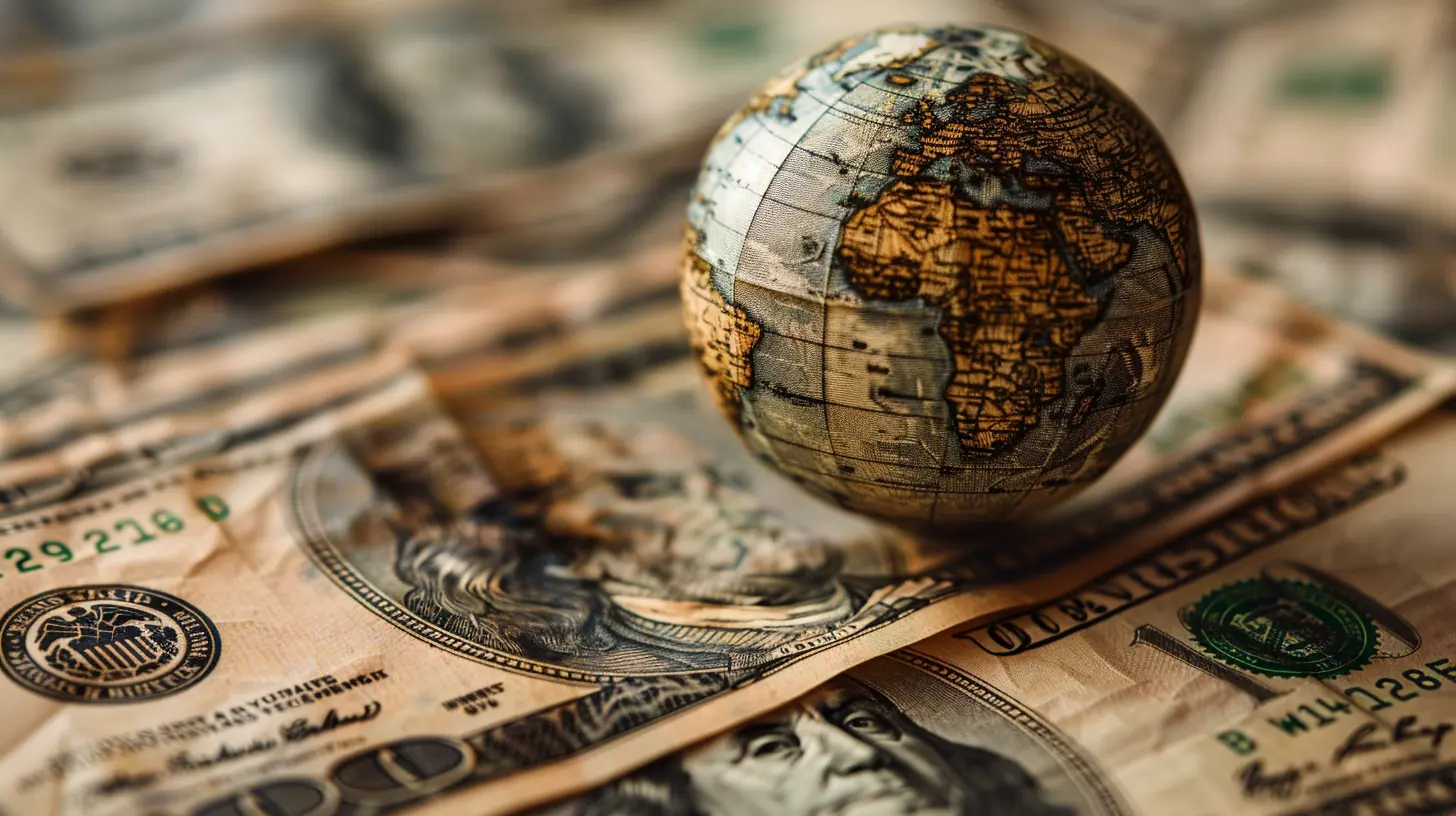
The Inflation-Interest Rate Connection: A Financial Tug-of-War
So, how does inflation affect interest rates? Let’s break it down.Most countries have a central bank that tries to keep inflation under control. In the U.S., that’s the Federal Reserve (aka "the Fed"). The Fed uses a powerful lever—interest rates—to cool down or heat up the economy.
When inflation is high, the central bank often raises interest rates to slow things down. Why? Because higher interest rates make borrowing more expensive. Consumers and businesses borrow less, spend less, and—voilà—inflation starts to ease.
On the flip side, when inflation is low, the Fed might cut interest rates to encourage more borrowing and spending. It’s a balancing act—like driving a car and tapping the brakes or the gas depending on the road conditions.
Let’s Get Real: How Rising Interest Rates Affect You
Rising interest rates sound great for savers—but they're not all sunshine and rainbows. Here’s how it plays out in real life:1. 📉 Borrowing Gets Costlier
Higher interest rates mean higher loan costs. Whether it's a mortgage, car loan, or credit card balance, you’re going to shell out more in interest payments.Thinking about buying a home? Even a 1% increase in mortgage rates can mean hundreds more per month in payments. That dream home? Maybe not so dreamy anymore.
2. 📈 Savings Accounts Get a Boost
On the flip side, savers might finally see a bit of love. Bank savings accounts and CDs typically offer higher yields in a high-interest environment. So, if you’re a cautious investor or just someone who likes to hoard cash under a digital mattress, this is your time.3. 📉 Stock Market Jitters
Stock markets don't like uncertainty—and guess what inflation brings? Yup, a big ol' serving of it. When rates go up, the cost of borrowing for companies climbs too. That can slow down growth and spook investors.Also, higher interest rates make bonds more attractive, which can pull money out of the stock market. Translation: your 401(k) might look a bit sad for a while.
Inflation’s Sneaky Moves on Your Investments
Inflation doesn’t storm into your portfolio like a financial hurricane—it sneaks in over time and quietly erodes value. Let’s look at different investment types and how inflation plays its cards.1. 🏦 Cash and Savings
Cash is the most vulnerable. If inflation is running at 3% annually and your savings account earns just 1%, you're effectively losing 2% of your money’s buying power every year. Yep, it’s like financial erosion.2. 💰 Bonds
Bonds have a love-hate relationship with inflation. Fixed-rate bonds, in particular, take it on the chin when inflation and interest rates rise. Why? Because the agreed-upon return becomes less valuable in today’s dollars.Think about it: Would you want to hold a bond that pays 2% if inflation is 5%? Didn’t think so.
However, inflation-protected securities like TIPS (Treasury Inflation-Protected Securities) are designed to keep pace with inflation. They’re that rare friend you can count on when things get rough.
3. 📊 Stocks
Stocks are tricky. They can be a good long-term hedge against inflation, especially if you own shares in companies that can pass on rising costs to consumers.But in the short term, inflation can whack stock prices. Higher interest rates mean investors become more cautious, and growth companies often take the biggest hit.
4. 🏠 Real Estate
Real estate often shines during inflationary periods, especially rental properties. Why? Because landlords can raise rent while the mortgage stays fixed (assuming it’s a fixed-rate mortgage).However, rising interest rates can also slow down real estate sales, so timing and location are everything.
5. 🪙 Commodities and Gold
Commodities like oil, wheat, and metals often rally during inflation. Gold, for example, has long been considered a hedge against inflation. It doesn’t generate income, but it holds value when paper currencies lose purchasing power.Think of gold as the cockroach of the investing world—hard to kill and always hanging around during tough times.
The Psychological Impact: Don’t Let Inflation Panic You
One of the sneakiest aspects of inflation is its ability to mess with our heads.When prices rise, there's a natural urge to either hoard money or panic-buy assets. Both extremes can lead to poor decision-making.
The trick is to stay calm, diversify your investments, and focus on long-term goals. Inflation is a financial reality, not a doomsday scenario.
Strategies to Protect Your Investments from Inflation
So how do you inflation-proof your portfolio? While there’s no magic formula, here are some solid strategies:✅ Diversify Like a Pro
Don’t put all your eggs in one basket. A mix of stocks, bonds, real estate, and inflation-protected assets can help spread the risk.✅ Consider I-Bonds and TIPS
These government-backed securities are tied directly to inflation. They won’t make you rich overnight, but they can preserve your purchasing power.✅ Invest in Dividend-Paying Stocks
Companies with a strong history of paying and increasing dividends can provide a steady stream of income that may outpace inflation.✅ Look at Real Assets
Real estate, commodities, and infrastructure can serve as tangible hedges against inflation. They have intrinsic value and often move in tandem with rising prices.✅ Revisit Your Budget
Sometimes the best inflation defense is offense. Trim unnecessary expenses, boost your emergency fund, and focus on high-impact, low-cost investments.What's the Fed Really Doing?
When inflation starts climbing, all eyes turn to the Fed. Their main tool? The federal funds rate.If inflation is above target (usually around 2%), the Fed may hike rates. That increases borrowing costs across the economy—from Wall Street to your credit card bill.
But rate hikes aren’t just blunt-force instruments; they’re signals. They tell investors, businesses, and even consumers how to behave. Think of them like traffic lights in the economic intersection—pushing us to slow down or speed up accordingly.
Inflation Isn’t Always Bad
Believe it or not, a modest level of inflation is actually healthy. It indicates a growing economy and gives the Fed some wiggle room to maneuver during downturns.It only becomes a problem when it’s too high for too long—or worse, unpredictable. That’s when the economy, the markets, and your portfolio can get a little wobbly.
Final Thoughts: Don’t Fear Inflation—Plan for It
Inflation might be today’s financial boogeyman, but it’s not unbeatable. By understanding how it affects interest rates and trickles down to your investments, you’re already way ahead of the curve.The key is to stay informed, be flexible, and keep your eyes on the long-term prize. Whether you're saving for a house, retirement, or that dream vacation to Italy, being proactive about inflation can mean the difference between falling behind or staying on track.
Inflation isn’t going anywhere—but with the right strategies, neither are your financial goals.
all images in this post were generated using AI tools
Category:
Inflation ImpactAuthor:

Alana Kane
Discussion
rate this article
2 comments
Maddox Cox
Inflation may be the annoying party crasher at your investment soirée, but it doesn’t have to ruin the whole bash! Stay savvy, adjust your strategy, and let those interest rates work for you. After all, it’s your money—make it dance!
December 28, 2025 at 1:05 PM
Alana Kane
Absolutely! Staying informed and adaptable is key. Let’s leverage inflation as an opportunity to fine-tune our investment strategies and keep our financial goals on track!
Carla McGuire
Great insights! Understanding the relationship between inflation and interest rates is crucial for smart investing. This article really highlights how we can navigate these changes effectively!
December 18, 2025 at 2:02 PM
Alana Kane
Thank you! I'm glad you found the insights helpful for your investing journey. Staying informed about these dynamics is key!