How Globalization Contributes to Deflationary Trends
11 July 2026
Globalization—it’s a word that gets tossed around a lot. Most people think of it as cheaper goods, international travel, outsourcing, and interconnected economies. But what if I told you that globalization has been quietly pulling strings behind the scenes, nudging economies toward deflation? That’s right. This giant web of global exchange isn’t just about convenience or competition—it’s also helping to pull prices down across the board.
In this article, we’re diving deep into how globalization contributes to deflationary trends. So grab your cup of coffee and let’s break this down together.
What is Deflation, Anyway?
Let’s not overcomplicate things: deflation simply means a general decrease in the prices of goods and services over time. It’s the opposite of inflation. And while falling prices might sound like a good deal for consumers (who doesn’t like paying less?), deflation can actually wreak havoc on the economy.Why? Because when prices fall:
- Consumers delay purchases hoping for even lower prices.
- Businesses make less money and cut costs—including wages and jobs.
- Debts become more expensive in real terms.
- Growth slows down. Full stop.
That’s why governments and central banks are obsessed with keeping inflation steady—too much deflation is like trying to drive with a flat tire.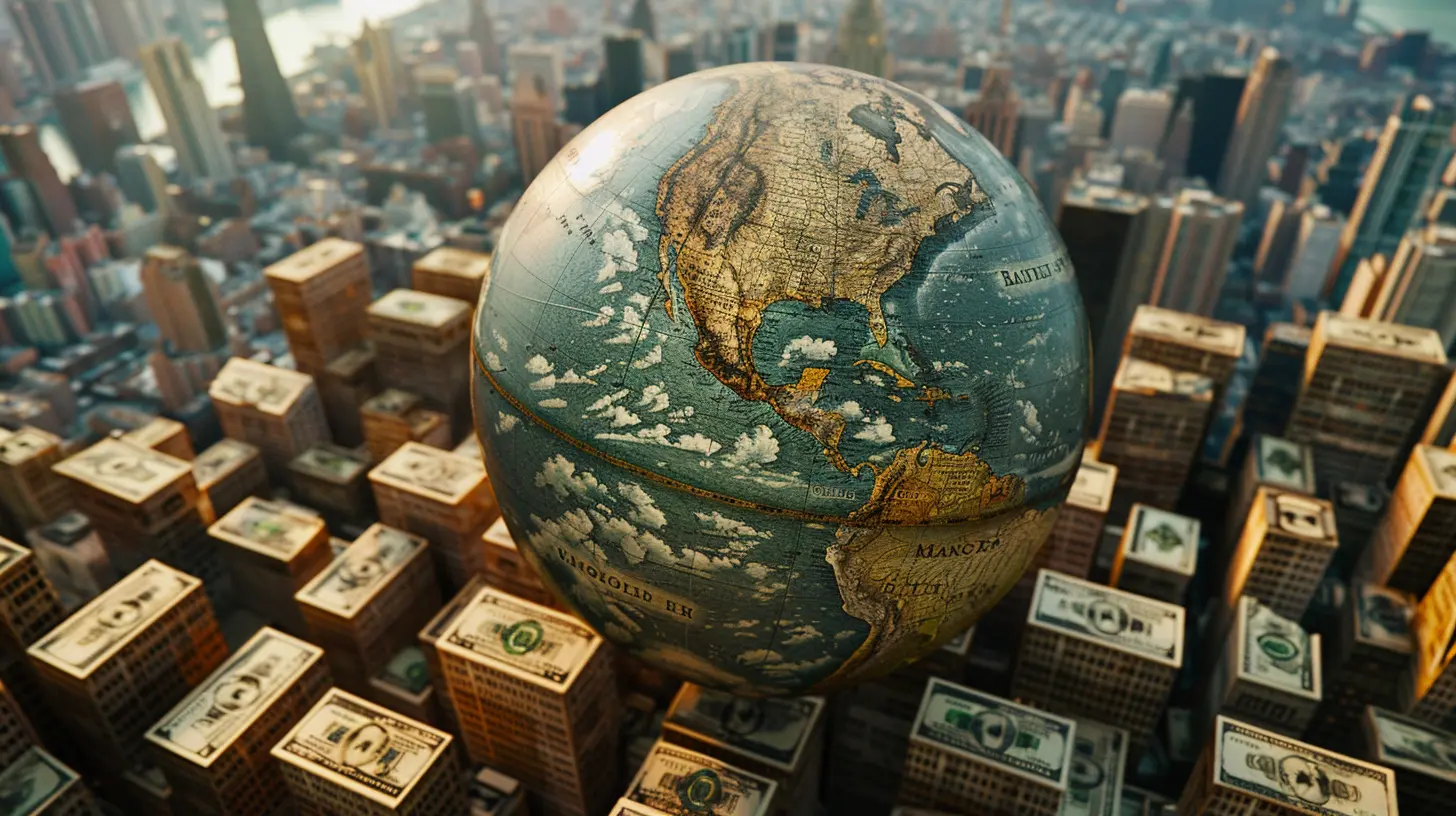
Globalization: Not Just a Buzzword
Before we connect the dots, let’s strip globalization down to its basics.Globalization is the process through which businesses, technologies, and cultures integrate and interact on a worldwide scale. Think of it like turning the world into one giant marketplace. Companies can now hire workers from any continent, source materials cheaply, and sell their products globally with a few clicks.
With that kind of power, it’s no wonder globalization has deep tentacles reaching into price dynamics.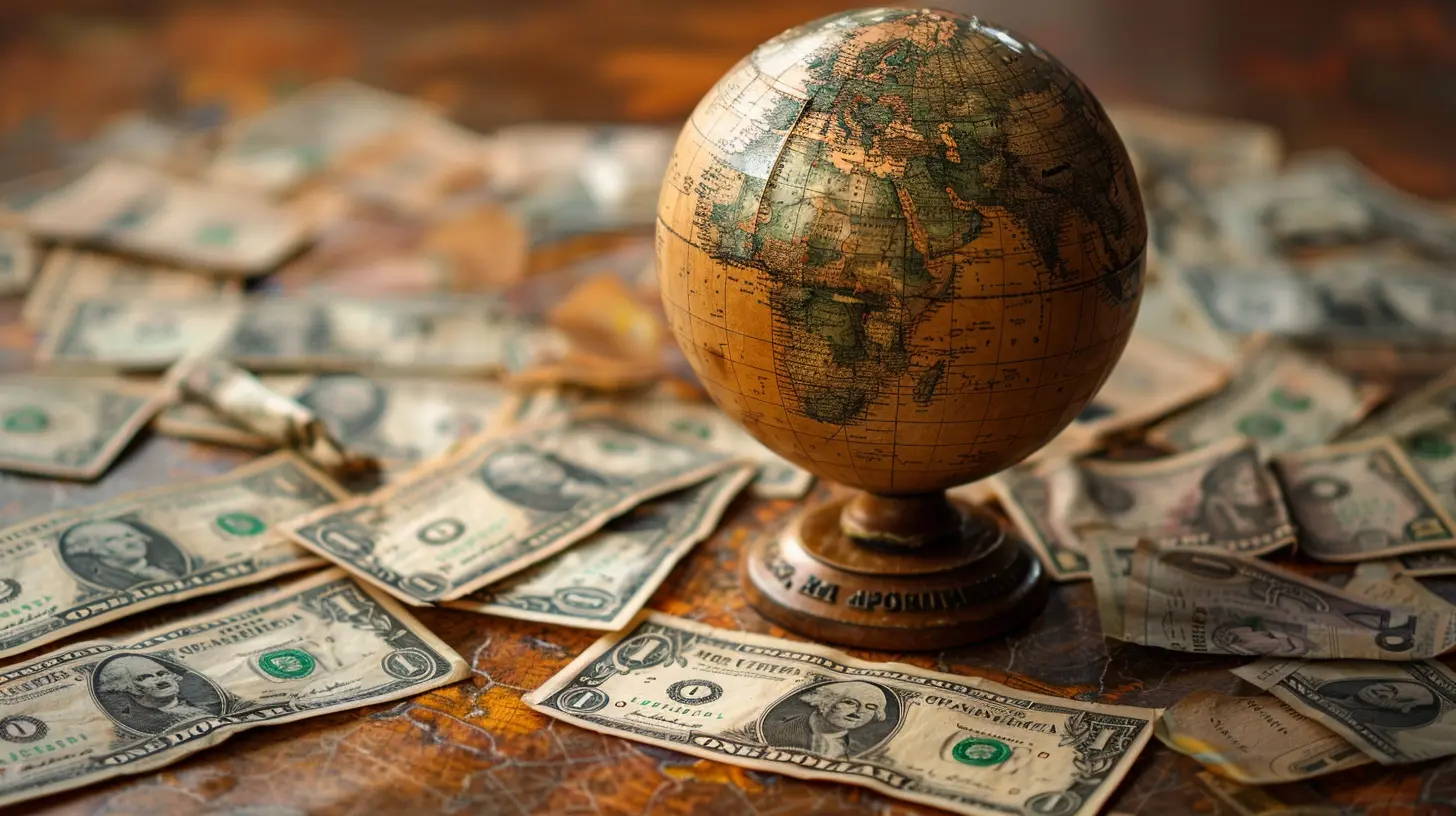
Globalization’s Quiet Role in Deflation: The Core Arguments
Now let's hit the core of the topic—how does globalization actually feed into deflation? Think of it as a chain reaction that starts small but gets massive over time.1. Cheaper Goods Thanks to International Competition
You’ve seen it. A T-shirt made in Bangladesh costs half as much as a locally made one. Why? Because labor costs and production overhead are much lower abroad.This is globalization at work. Companies move production to countries with cheaper labor and fewer regulations. In doing so, they can offer lower prices.
And consumers, being the savvy shoppers they are, go wherever prices are lower. That forces domestic companies to cut costs or lose customers. The result? A general decline in prices, aka deflationary pressure.
Rhetorical question: if you're paying less for the same product, isn’t that a win? On a personal level, sure. But pile that up across industries and nations, and you’ve got deflation creeping in.
2. Wage Suppression via Global Labor Markets
This one’s subtle but powerful.Let’s say you're a factory worker in a high-wage country. With globalization, your job can suddenly be done by someone halfway across the world for a fraction of your salary. Businesses know this—and so do employees. That dynamic puts a hard cap on wage growth.
Lower wages mean less spending power. And less consumer spending means demand slumps. When demand weakens, prices drop further. Boom—deflation’s back.
Think of it like a game of limbo: “how low can you go?” But instead of party-goers, it's wages ducking under a global bar of competition.
3. Technological Diffusion Accelerated by Globalization
Technology spreads faster than ever thanks to globalization. A breakthrough in Tokyo today might be implemented in Chicago tomorrow.Now, here’s the twist: all this tech boosts productivity. Machines replace workers. Automation gets more done with fewer hands. That drives down production costs and—you guessed it—prices.
Again, on the surface, more efficient production sounds great. But when machines do the work of ten people, where do those ten people go? Unemployed or underemployed, they spend less. And we circle right back into the deflation loop.
4. Outsourcing and Offshoring Erode Domestic Pricing Power
Ever heard someone say, “we can just get it made overseas for cheaper”? That mindset has become standard in many industries.For businesses, outsourcing is like a magic trick: cut costs, keep the quality, and boost profits. But here’s the kicker—this trend also erodes the pricing power of domestic producers. If a local company raises prices, customers will find a cheaper alternative from abroad in seconds flat.
This "race to the bottom" in pricing pushes profits down and discourages investment. Again, it’s another gear turning in the deflation machine.
5. Global Supply Gluts Keep Prices in Check
Globalization creates global supply chains. Countries ramp up production, often without fully aligning with global demand. The result? Oversupply.Think oil. When too many countries are pumping more than the world needs, prices plummet. Or look at manufactured goods—huge inventories, low sales. Oversupply leads to markdowns. Markdown culture becomes the norm. And—surprise—deflation rears its head again.
Oversupply is like opening the tap too far on a faucet; eventually, water spills over. In this case, it drowns prices.
6. Currency Effects and Price Equalization
Globalization also impacts currency values. Stronger currencies make imports cheaper, and imported goods undercut domestic prices.Also, currency fluctuations can make it difficult for countries to maintain pricing power. If your currency strengthens, your exports become more expensive—and you have to drop the price just to stay competitive.
It’s this constant juggling act between exchange rates and pricing that gives deflation more room to breathe.
Globalization vs. Inflation: A Tug of War
Now let’s not pretend that globalization is the only player in the pricing game. Inflation still pops its head up—especially in times of supply shocks (like pandemics or wars) or when central banks pump money into the system.But here's where globalization flexes its muscle. Even when inflation kicks in, globalization can act as a counterweight. Cheaper imports, wage suppression, and tech-driven productivity gains all help anchor prices—even when monetary policy pushes the other way.
It’s like inflation is trying to inflate a balloon, and globalization keeps letting the air out.
Case Study: China’s Role in Global Deflation
No discussion on this topic is complete without a nod to China. Over the past few decades, China has become the global factory. Its ability to mass-produce goods at ultra-low costs transformed global pricing structures.From electronics to furniture, Chinese exports have largely kept prices flat or falling in developed nations. This single country's integration into global markets is arguably one of the biggest forces behind sustained deflationary trends in the 21st century.
Can Deflation Be a Long-Term Problem?
Absolutely.It leads to slower growth, less investment, stagnant wages, and more debt pressure. In other words, it’s a silent economic drag. And because globalization isn't going anywhere anytime soon, the deflationary pressures it brings might be more than just a phase.
The Flip Side: Can Globalization Help Fight Deflation?
Hold on—didn't we just say globalization causes deflation? Yes, but it’s not all one-way traffic.In theory, globalization could help fight deflation too:
- Increased demand from emerging markets can offset weak consumption in developed nations.
- Global cooperation can stabilize supply chains and reduce overproduction.
- Innovation and new industries can generate new demand, offsetting downward pressure on prices.
So globalization is kind of like fire—it can cook your dinner or burn your house down. It all depends on how it's managed.
Final Thoughts
Globalization is a complex beast. It connects us, expands markets, and drives innovation. But it also brings with it some significant economic side effects—chief among them, deflationary trends.As companies chase cheap labor and production efficiencies, prices head downward. While consumers reap short-term benefits, the long-term effects—stagnant wages, lower investment, and economic drag—can’t be ignored.
So the next time you snag a deal on a product made halfway around the world, remember: there’s a bigger story behind that price tag. One that’s reshaping economies, industries, and ultimately, the cost of life itself.
all images in this post were generated using AI tools
Category:
Deflation ConcernsAuthor:

Alana Kane