How Deflation Impacts Housing Markets
10 August 2026
Ever heard the phrase, “What goes up must come down”? That’s often thrown around when chatting about stock markets or even roller coasters. But what about housing markets? What happens when prices across the economy don't go up—but actually drop? Welcome to the tricky world of deflation and its eerie effects on housing.
So grab your coffee, settle in, and let’s unpack this together in plain English. Because whether you're a homeowner, buyer, seller, or just someone concerned about the economy, understanding how deflation impacts housing markets is more important than ever.
What Is Deflation, Really?
Let's start with the basics—what is deflation?Deflation is when the general price level of goods and services falls over a period of time. Think of it as inflation’s less talked-about cousin. Instead of your money buying you less each year, it buys you more. Sounds good, right?
Not so fast.
When prices fall across the board, it's often a sign that consumer demand is weak, businesses are scaling back, and unemployment is creeping up. Imagine a game of economic dominoes, where reduced spending leads to lower revenues for businesses, which leads to layoffs, which then leads to even less spending.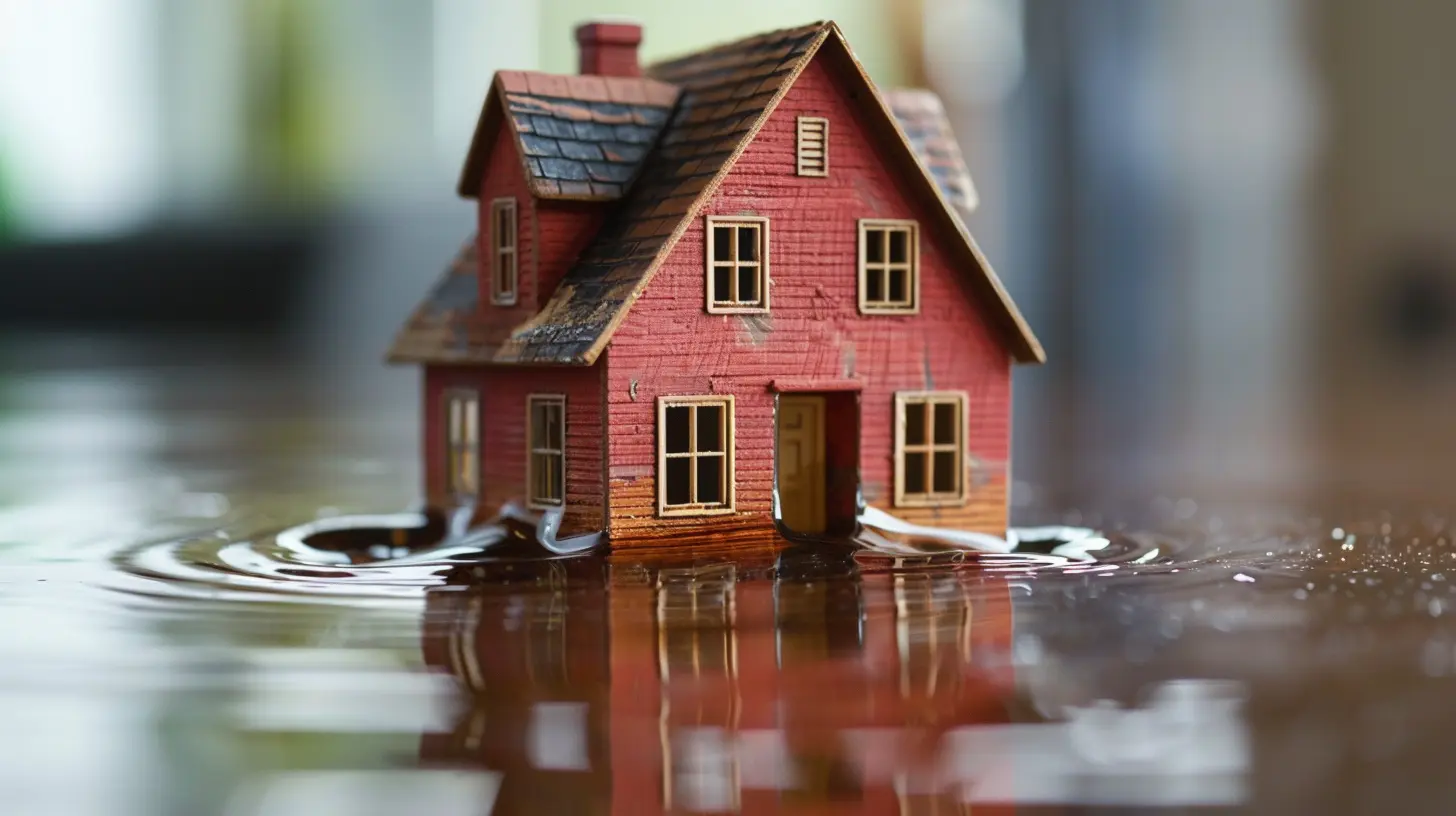
Why Does Deflation Happen?
Deflation isn’t just a random glitch in the economic Matrix. Here are a few reasons it can sneak in:- Demand Shock: Like during a recession or financial crisis, when people just aren’t spending.
- Increased Productivity: If tech makes goods cheaper to produce, prices might drop.
- Tight Monetary Policy: When central banks raise interest rates or reduce money supply.
- Debt Deleveraging: When both people and companies focus on paying off debt instead of spending.
Bottom line? Deflation doesn’t usually show up uninvited—it’s tied to some serious economic turmoil.
Housing Market 101: A Deflationary Context
Okay, now let’s tie it into real estate. The housing market is a massive player in the economy, often seen as a safe, long-term investment. But how does deflation change that perception?Well, think of housing as both a product and an investment. When prices fall due to deflation, the value of homes also tends to drop. This can create a ripple effect that shakes up every part of the housing ecosystem—from buyers to sellers to banks.
Falling Home Prices: The Most Visible Impact
First and foremost, deflation usually leads to falling real estate prices. Why?- Lower Demand: If people are worried about job security or falling incomes, they’re not exactly itching to buy a new house.
- Decreased Borrowing Power: Credit tightens during deflation. Banks aren’t as eager to lend.
- Price Expectations Change: If you think homes will be cheaper next year, why buy now?
So demand drops, and so do prices. It’s like a game of musical chairs, but no one wants to move.
The Trap of Negative Equity
Here’s where it gets scarier. When home prices fall enough, homeowners might end up underwater—owing more on their mortgage than the home is actually worth.This is called negative equity, and it’s just as bad as it sounds.
Imagine you buy a house for $300,000 with 10% down. That’s $30,000 upfront and a $270,000 mortgage. Now fast forward a year during a deflationary slump, and suddenly the house is worth $240,000. You’re staring at $30,000 in evaporated equity, plus you still owe $270K. Yikes.
This doesn’t just sting—it also paralyzes. Homeowners can’t sell, can’t refinance, and often—can’t cope.
Who Wants to Invest in a Sinking Ship?
Now let’s talk investors. Real estate is normally a goldmine for long-term investors. But in a deflationary market? Not so much.Here’s why:
- Weak Price Appreciation: If home values are dropping, the upside just isn't there.
- Rental Income Becomes Risky: Tenants may default or demand lower rents.
- Increased Holding Costs: Meanwhile, property taxes, maintenance, and insurance don’t really deflate.
So, investors pull out or avoid entering in the first place. Less investment means fewer renovations, fewer housing starts, and a general cooling of the market.
New Construction Grinds to a Halt
Builders don’t love risk. Deflation creates loads of it.Constructing new homes in a falling-price environment is a bit like cooking for a party that keeps getting canceled. Why build if you're going to sell at a loss?
Materials might be cheaper. Labor, too. But if expected sale prices are lower than costs? Game over. What happens next?
- Fewer Housing Starts
- Job Losses in Construction
- Ripple Effects in Related Industries (think furniture, appliances, and more)
This pause in development can later lead to supply shortages—ironically inflating prices when the economy does bounce back.
Renters Aren’t Off the Hook Either
You’d think renters could ride out deflation worry-free, right? Not quite.Here’s what deflation can do to renters:
- Job Insecurity: With more layoffs, paying rent becomes tougher.
- Falling Rents, But at a Cost: Landlords lower rents to keep units occupied, but that can mean less maintenance or fewer amenities.
- Evictions If Landlords Default: Remember those underwater mortgages? They affect landlords too.
When smaller landlords start defaulting, renters can be left scrambling with little warning.
The Vicious Cycle: When Psychology Kicks In
One of the weirdest, most damaging aspects of deflation isn’t even economic—it’s psychological.People start expecting lower prices. So they wait. They delay buying that home… or even routine renovations. The thinking becomes: “Why pay more now when it’ll be cheaper in six months?”
This creates a self-fulfilling prophecy:
- Less activity in the market
- More price drops
- More waiting
And the cycle feeds itself until something breaks the loop—usually aggressive government intervention.
The Role of Central Banks and Policymakers
When deflation hits, the cavalry arrives in the form of central banks and governments. They’ll try to stimulate demand, lower interest rates, or inject money into the system.But housing is a slow-moving beast. Even if mortgage rates drop, if confidence is shattered, people won’t buy.
Plus, lenders get tighter during deflation. So your credit score needs to be squeaky clean to even qualify for those "cheap" loans.
Opportunities in Deflationary Housing Markets
Alright—so far, we’ve painted a pretty grim picture. But every cloud has a silver lining, right?Here are some upsides for savvy players:
- First-Time Buyers: If you’ve got savings and job security, deflation could make homeownership more affordable.
- Cash Buyers/Rich Investors: No need to worry about credit tightening—all-cash offers shine.
- Buy-And-Hold Landlords: If you buy at the bottom and rents stabilize, long-term gains can be juicy.
But these opportunities come with risk. Buying in a falling market is a bit like catching a falling knife—you might grab it safely, or you might get cut.
Historical Case Study: Japan’s Housing Market During Deflation
Japan is the poster child for deflation. Since the early 1990s, the country has battled falling prices and sluggish economic growth.And guess what? Their housing market took a huge hit. Real estate values plummeted, and even decades later, prices still haven’t fully recovered in many areas.
The lessons?
- Real estate does not always go up
- Deflation can trigger long-term stagnation
- Policy shifts alone can’t always fix housing markets
Japan’s housing story offers clues—and warnings—for other countries that may face similar economic downturns.
How Should You Prepare?
If you're worried about deflation—and what it might do to your real estate dreams (or nightmares)—here are a few quick tips:- Avoid Overleveraging: That dream home? Still not worth it if it turns into a financial trap.
- Build Up Cash Reserves: In a crisis, cash is king.
- Get a Fixed-Rate Mortgage: If you must buy, lock in low rates now.
- Stay Informed: Economic data, central bank policy—these matter more than ever.
And maybe most important?
Stay patient. Housing is a long game. Don’t panic, but definitely don’t ignore the signs either.
Final Thoughts
The idea of prices falling sounds good on paper—cheaper homes, cheaper goods, more bang for your buck. But deflation turns the entire economy upside down, and the housing market doesn’t escape the chaos.Whether you're an aspiring homeowner or a seasoned investor, understanding how deflation impacts housing markets is critical. It’s not just about numbers—it's about sentiment, psychology, and policy.
In the end, housing markets aren’t just driven by bricks and mortar. They're driven by people, confidence, and trust in the future. And when deflation shakes that foundation—well, expect a bumpy ride.
all images in this post were generated using AI tools
Category:
Deflation ConcernsAuthor:

Alana Kane