How Deflation Affects Everyday Consumers
31 July 2026
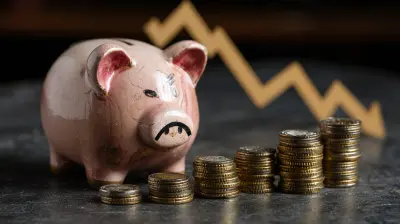
When people talk about economic issues, the word “inflation” gets all the spotlight. It’s the one that sounds scary, right? Prices going up, your money buying less... yeah, no one likes that. But here’s the thing: there's a quieter, lesser-known sibling on the other side of the coin — deflation. While it might sound like good news at first (who doesn’t love lower prices?), deflation can be a silent storm that rattles the entire economy and, yep, hits everyday consumers where it hurts.
So, grab a cup of coffee and let’s break this down together. What is deflation, why should you care, and most importantly, how does it affect you?
What Is Deflation, Really?
In simple terms, deflation is when prices, overall, start falling over time. And we’re not just talking about your favorite sneakers going on clearance. We’re talking about a widespread, consistent drop in the prices of goods and services.Now, this may sound like a dream come true. Lower prices? Count me in! But slow down — it’s not all sunshine and rainbows. Deflation can signal major problems brewing underneath, like weaker demand in the economy, falling wages, and rising unemployment. That’s when things start to get a little rocky.
The Deflation Domino Effect: How It Unravels the Economy
Imagine the economy like a giant game of dominoes. When prices start to fall steadily, it triggers a chain reaction that can push the whole system into chaos.1. People Stop Spending
Here’s our first domino. When consumers see prices going down, they start thinking: “Maybe I should wait. That TV might be cheaper next month.” Makes sense, right? But when everyone starts delaying purchases, companies see less revenue. Less revenue means…2. Companies Cut Costs — And Jobs
Businesses aren’t making as much money. So, what do they do to stay afloat? They start slashing expenses. That could mean anything from cutting back on hiring to laying off employees. And when people lose their jobs or fear losing them, they’re not exactly in the mood to spend money either.3. Wages Take a Hit
On top of that, deflation often means wages freeze or even drop. If the price of what companies sell is going down, so is the value of the labor they pay for. So even if your rent or groceries cost a bit less, your paycheck might be shrinking faster.4. Debt Becomes Heavier
Here’s the kicker. If you owe money — on a mortgage, student loan, credit card, you name it — deflation makes that debt more painful. Why? Because your debt stays the same in dollars, but your income is shrinking. It’s like trying to climb out of a hole that’s getting deeper each day.Yikes, right? That’s why economists and central banks keep a close eye on deflation. It’s sneaky, and it can unravel things fast.
So... How Does This Affect You, The Everyday Consumer?
Now that we’ve got the big picture, let’s zoom in. How does deflation specifically affect your day-to-day life? Spoiler alert: it shows up in all sorts of areas — from your wallet to your job security.1. Temporary Joy at the Store
Let’s start with the good. During early stages of deflation, you may notice that things are actually getting cheaper. Groceries, gas, electronics — your dollar goes further. If you’ve been tightening your belt, this can feel like a mini windfall.But—and it’s a big but—this little “bonus” doesn’t last long. As businesses begin cutting costs and laying people off, the reality sets in. Cheap stuff doesn’t help much if you don’t have a paycheck coming in.
2. Job Insecurity and Layoffs
One of the most direct ways deflation affects everyday people is through employment. Businesses respond to falling prices by reducing output, taking fewer risks, and, unfortunately, laying off workers.Even if you manage to keep your job, raises and bonuses might be delayed indefinitely. Promotions? Yeah, those might be on pause too.
3. Shrinking Savings and Investment Returns
If you've got money tucked away in a savings account or invested in stocks and bonds, deflation can throw a wrench in your plans. Companies earn less, so their stocks tank. Bonds might pay lower returns. And your bank interest? Let’s just say don’t count on it making you rich.Sure, the purchasing power of your cash might improve a bit — but overall, growth takes a backseat.
4. Mounting Debt Pressure
We touched on this earlier, but it’s worth repeating because it's a big deal. Deflation makes existing debt harder to manage. If your income declines while your loan payments stay the same, that balance becomes more daunting over time.For instance, imagine owing $20,000 on a car loan. In normal times, you chip away at it with your steady salary. But under deflation? That same $20,000 feels more crushing because your income might be lower, and everything else feels financially tighter.
5. Harder Access to Credit
During deflationary periods, banks tend to tighten their lending standards. Why? Because they see economic trouble on the horizon and don’t want to take on risky loans. That means mortgages, car loans, and even small business funding become harder to get.Trying to buy a house or start a business during deflation? You might find doors closing instead of opening.
The Psychological Toll of Deflation
One thing people often overlook is how deflation feels. It changes the way people behave — and not always in a good way.When prices consistently fall, people start to expect more of it. “Why buy today when it'll be cheaper tomorrow?” That kind of thinking spreads quickly and slows the economy even more.
It’s like being in a slow-motion recession. You’re not panicked like during a crash, but you're cautious, reserved, hesitant. Businesses feel it. Employees feel it. Consumers feel it. That uncertainty drains confidence, and without confidence, the economy gets stuck.
Deflation vs. Inflation: Which One’s Worse?
Here’s the million-dollar question: Which is worse — inflation or deflation?Honestly, it depends. Neither situation is ideal, and both have winners and losers. Inflation erodes your buying power, but it can encourage spending and investment. Deflation makes money “worth more,” but it discourages spending, hinders job growth, and tightens credit.
Most economists agree that moderate inflation is actually healthy. It keeps things moving. Deflation, on the other hand, is like an economic traffic jam — and no one enjoys being stuck bumper-to-bumper.
Can Deflation Be Prevented?
Yes, to some extent. Governments and central banks have tools to fight deflation, like:- Lowering interest rates to encourage borrowing and spending
- Pumping money into the economy via fiscal stimulus
- Buying government bonds (quantitative easing)
But here’s the catch — these tools aren’t a guaranteed fix. If people are really scared or businesses are too cautious, even free money won’t necessarily jumpstart spending. That’s why timing and public trust are huge factors.
What Can You Do as a Consumer?
Okay, deflation sounds kind of grim. But you’re not powerless. Here are a few smart strategies to help you ride the wave:1. Pay Down Debt Fast
Debt becomes more expensive in a deflationary environment. If you can, prioritize paying off loans — especially high-interest ones. Future-you will be thankful.2. Boost Your Emergency Fund
Job insecurity rises during deflation. Having 3–6 months of living expenses saved up can give you serious peace of mind if things get rocky.3. Don’t Cancel Your Investments — Just Be Smart
Deflation can hit markets hard, but that doesn’t mean you should jump ship. Rebalance your portfolio if needed, maybe leaning toward more stable assets like bonds or dividend-paying stocks.4. Upgrade Your Skills
When companies start trimming down, the most versatile and skilled workers are the last to go. Consider taking courses, certifications, or picking up soft skills that make you stand out.5. Stay Informed
Economic trends can shift fast. Keep an eye on the news, the Fed’s moves, and inflation/deflation indicators. Being informed helps you make better choices — financially and otherwise.Final Thoughts
Deflation might wear a cheaper price tag, but it’s not a discount you should celebrate. It signals economic weakness and has a domino effect that touches nearly every corner of consumers’ lives — from spending and saving to jobs and mental well-being.It’s one of those things that sounds good on paper but can pack a powerful punch in real life. If you understand how it works, though, you can take steps to protect yourself and even uncover opportunities amidst the chaos.
Let’s face it — money management in a deflationary environment isn’t about chasing deals. It’s about staying grounded, thinking long-term, and keeping your financial life as flexible as a yoga instructor.
all images in this post were generated using AI tools
Category:
Deflation ConcernsAuthor:

Alana Kane
Discussion
rate this article
1 comments
Oscar Ross
Great insights on a complex topic! Understanding deflation's impact on our daily lives is crucial for making informed financial decisions. Thanks for breaking it down so clearly for us!
July 31, 2026 at 3:14 AM