How Currency Deflation Impacts International Relations
6 July 2026
You ever noticed how a falling price tag might seem good news at first — like your favorite sneakers going on sale — but over time, it can snowball into bigger problems? That’s kind of what happens when a country faces currency deflation. It’s more than just economics — it ripples into politics, trade, diplomacy, and even global alliances. In this post, we're going to break down how currency deflation doesn't just shake up local wallets but also stirs the pot in international relations. And don’t worry — we’ll keep it simple, straightforward, and totally human-friendly.
What Exactly Is Currency Deflation?
Alright, let’s set the stage. Currency deflation happens when the value of money increases — meaning things start getting cheaper across the board. Now, that might sound like a treat, but in the big picture, it usually means demand is falling, companies are making less money, and the economy is slowing down.Imagine if people keep waiting to buy stuff because they expect prices to drop further. Businesses make fewer sales, lay off workers, and reduce investments. It’s like a slow leak in a tire — barely noticeable at first, but dangerous over time.
Deflation’s First Victim? The Domestic Economy
Before we jump into how deflation messes with international relations, let’s quickly peek at home.- Reduced Consumer Spending: People hoard cash, expecting future bargains.
- Business Retrenchment: Companies freeze hiring, cut wages, or worse — lay people off.
- Debt Gets Heavier: Since the value of money goes up, debt repayments become harder. Think: you borrowed $1,000 last year, and now you’ve got to pay it back with dollars that are worth more — ouch.
Now, with all these domestic effects brewing, it’s no surprise that countries under deflation often look outward to ease the pressure. But how?
Trade Imbalances and the Global Domino Effect
Ever played Jenga? One wrong move and the whole thing topples. That’s kind of what deflation does to global trade.1. Exports Get A Temporary Boost
Here’s something ironic: when a country’s currency increases in value (a side effect of deflation), its exports can initially become more attractive — especially if inflation is raging elsewhere.Other countries get more bang for their buck when buying from the deflation-hit nation. Sounds like a win, right?
Well, not so fast.
2. Importers Get Grumpy
Countries importing these cheaper goods might get overwhelmed. Domestic companies can’t compete with the low prices, industries suffer, and unemployment rises.That tension often leads to trade barriers — tariffs, import quotas, or full-on bans. You’ve got yourself a trade war stew brewing.
3. Currency Wars Begin
And then, there are currency wars. If one nation’s currency appreciates too much (common during deflation), its exports become increasingly cheap and attractive globally. Other countries might feel threatened and respond by devaluing their own currencies — kind of like trying to win a race by tripping the other runners.It becomes a cycle of “who can cheapen their money faster,” which rattles currency markets, investor confidence, and cross-border relations.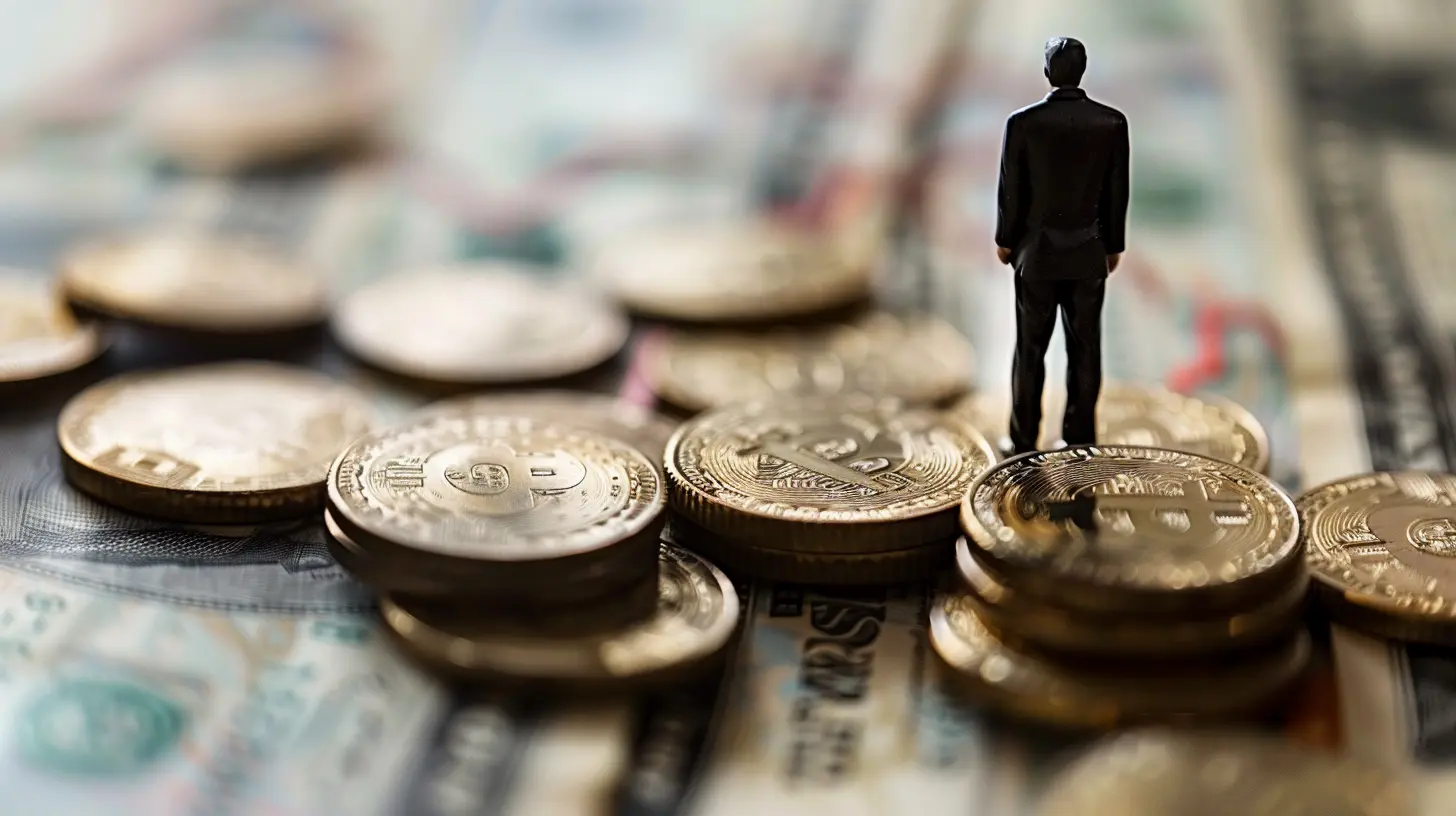
Diplomatic Tensions and Political Frictions
When money’s involved, things get personal real fast. Diplomacy takes a hit when countries feel they’re being played.1. Accusations of Currency Manipulation
Let’s say Country A is experiencing severe deflation. To counteract it, they set ultra-low interest rates or print more money to stimulate growth. From their perspective? A necessary rescue mission. But to others? It looks suspicious. Almost like cheating.You’ll often hear things like, “Country A is manipulating its currency to gain an unfair advantage.” Even organizations like the IMF or G20 might step in and wag their fingers.
2. Erosion of Trust
When currency values swing too wildly, global partners start doubting each other. Import contracts are questioned, long-term projects get delayed, and promises to stabilize economies often fall flat.This kind of environment can breed resentment, especially between trade partners or within economic blocs like the EU or ASEAN.
Shifting Alliances and Strategic Adjustments
Here’s where international relations really start to shift.1. Countries Seek “Safe Havens”
During periods of deflation, other nations might steer away from the deflation-hit country. Why? Because it’s risky doing business when your partner’s currency is too unstable.Instead, they might form stronger ties with more stable economies. Think of it like jumping onto a sturdier ship during a storm.
2. Realignment of Global Power
Deflation can weaken a country’s global standing. Less economic activity means less influence in big international decisions — whether it’s climate talks, security alliances, or humanitarian aid.Meanwhile, countries with healthier economies might step up to fill the vacuum, shifting the global power scale.
Impact on Sanctions and Foreign Aid
This one’s a bit under the radar but super important.1. Sanctions Become Less Effective
Ever wonder how sanctions work? They often rely on a strong economy behind them. When a deflation-hit country tries to impose sanctions, their threats might not carry much weight. Other countries may not take them seriously — they simply don't have as much leverage.2. Foreign Aid Gets Slashed
Deflation tightens government budgets. With less tax revenue and increased debt burdens, there's usually less room for foreign aid.Aid-dependent countries might look elsewhere for help — possibly turning to nations with different values or policies, which again shifts international alliances.
The Human Angle: Migration and Global Workforce
Let’s not forget the people in this equation.1. Emigration Picks Up
If the local economy is sinking, guess what? People leave. Skilled professionals seek better opportunities abroad. This "brain drain" means a country's best minds might end up working for competitors overseas.From an international lens, this impacts everything from visa policies to remittances and diplomatic conversations around labor mobility.
2. Workforce Tensions Abroad
Destination countries might experience sudden surges in job applications, which — if not managed carefully — can cause tension among local populations. This can lead to policy changes, immigration restrictions, or shifts in bilateral relations.Deflation Amid Global Crises
Let’s say there’s a global recession, pandemic, or conflict (which is, unfortunately, too real these days). If a major economy hits deflation during these times, the whole world feels it.Global supply chains get disrupted, investment slows down, and cooperation becomes harder. Instead of working together, countries start looking inward, and international efforts like climate action or humanitarian campaigns get put on the backburner.
So, What Can Be Done?
Not everything is doom and gloom. Countries facing deflation can take steps to prevent international fallout:- Coordinated Policy Making: Through organizations like the IMF, G7, or ASEAN, countries can align monetary and fiscal strategies to avoid imbalances.
- Transparent Communication: Being upfront about policy moves can ease tensions and prevent misunderstandings.
- Flexible Trade Agreements: Updating trade deals to reflect economic realities can help partners adjust without conflict.
- Investment in Diplomacy: When money talks louder, diplomacy must shout. Active engagement and reassurance are key.
Final Thoughts
Currency deflation isn't just an economic hiccup — it's a full-blown international conversation starter (or fight starter, depending on how it's handled). It affects who you trade with, who you trust, who you support, and even who your friends are on the world stage.So next time someone shrugs off deflation as a "local issue," you’ll know better. It’s like tossing a rock in a pond — the ripples are felt far beyond the splash.
all images in this post were generated using AI tools
Category:
Deflation ConcernsAuthor:

Alana Kane
Discussion
rate this article
1 comments
Adrian Young
Currency deflation directly reshapes international relations by altering trade balances and power dynamics. Countries experiencing deflation may struggle to maintain competitiveness, leading to tensions. Understanding these shifts is crucial for policymakers aiming to navigate the complex global economic landscape effectively.
July 7, 2026 at 3:37 AM
Alana Kane
You make a great point. Currency deflation indeed affects trade and power dynamics, creating challenges that policymakers must address to maintain stability in international relations.