How Automated Saving Will Transform Your Finances by 2027
15 April 2026
Remember the last time you tried to save money manually? You know, that heroic moment at the end of the month where you stare at your bank account, weep softly, and then transfer the grand total of $12.47 into your savings? Yeah, me too. It’s about as effective as using a teaspoon to bail out a sinking ship. But what if I told you that by 2027, the very concept of "trying" to save will be as outdated as a paper check? Buckle up, because the robots are coming for your piggy bank, and for once, they’re here to help.

The Stone Age of Saving: A Brief, Tragic History
Let’s wallow in the misery of the past for a moment, shall we? Traditional saving required a Herculean amount of willpower. It was you versus your brain’s primal desire for instant gratification. You had to remember to save, decide how much to save, and then actually log into your banking app without getting distracted by social media. It was a system built for failure, like asking a golden retriever to guard a plate of sausages.We relied on guilt, New Year’s resolutions, and those sad, hollow jars labeled "Vacation Fund." The process was clunky, emotional, and frankly, a bit demeaning. It’s no wonder so many of us failed. We were using willpower to fight biology, and biology usually wins. You might as well try to stop a sneeze in a pepper factory.
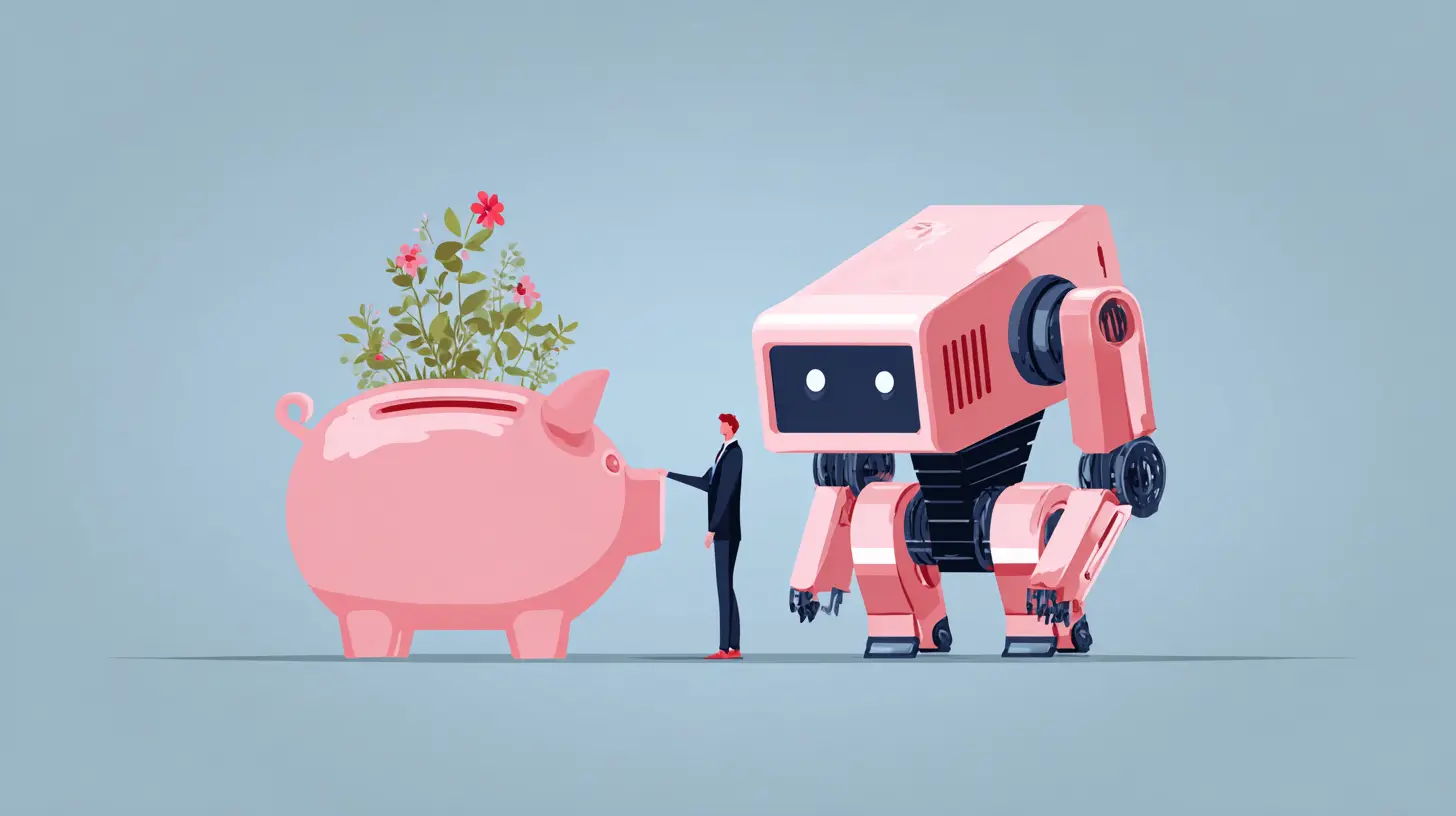
Enter the Robot Butler: What Is Automated Saving, Anyway?
So, what’s this magic? Automated saving isn't some sci-fi direct deposit from your brain. It’s simply using technology to move money from your checking account to your savings—without you lifting a finger. Think of it as a polite, incredibly efficient robot butler for your finances. His name is Reginald, and he doesn’t have time for your excuses.But here’s the kicker: by 2027, Reginald won’t just be moving a fixed sum every month. He’s getting a major AI upgrade. We’re talking about systems that don’t just follow orders, but think. They’ll analyze your cash flow with the precision of a heart-rate monitor, finding saving opportunities you never knew existed. It’s the difference between a wind-up toy and a self-driving car.
The Nifty Tools in Reginald’s Briefcase
* Round-Up Apps: Every time you buy a $4.70 coffee, the app rounds it up to $5 and squirrels away that 30 cents. It’s painless! Over time, your latte habit accidentally builds a savings account. Ironic, isn’t it?AI-Powered Cash Flow Analysis: This is where it gets spooky. The AI learns your life. It knows your paycheck schedule, your bill due dates, and that you always spend a little extra on weekends. It then finds the optimal* times and amounts to save, like a financial ninja moving in the shadows of your transactions.
Micro-Saving Triggers: Did you just avoid a subscription you almost bought? Cha-ching! The app saves the amount you almost spent. Got a refund for those shoes that didn’t fit? Bam!* Half goes to savings before you even see it. It’s like your money is playing a constant game of hide-and-seek with itself, and savings is always "it."

The 2027 Financial Makeover: Your Life on Autopilot
So what does this actually look like in your daily life a few years from now? Let’s paint a picture.Goodbye, Budgeting Headaches
The word "budget" will feel as archaic as "balance a checkbook." You won’t track every penny because the system will do it for you, allocating funds dynamically. Your financial app will send you cheerful notifications like, "Hey genius, you spent less on groceries this week than usual. I’ve tucked the difference away for you." You’ll feel a strange, passive sense of accomplishment for simply existing.Debt? What Debt?
Here’s the revolutionary part: automated systems will attack debt with the same ruthless efficiency. The AI won’t just save; it will optimize your entire financial picture. It could decide that for the next three months, throwing an extra $50 a week at your credit card debt is mathematically smarter than adding to your savings. It will do this automatically, saving you hundreds in interest. You’ll wake up one day and realize you’re debt-free, almost as a side effect of living your life.The "Set-and-Forget" Wealth Builder
This is the big one. By 2027, the line between saving and investing will blur into oblivion. Your automated saving app won’t just park your cash in a sad, low-interest savings account. It will seamlessly funnel it into pre-chosen investment vehicles—a robo-advisor portfolio, your IRA, a fractional share of an index fund.You’ll effectively have a digital twin of your finances working 24/7. While you sleep, work, or binge-watch bad TV, this twin is making tiny, smart decisions that compound over time. It’s like planting a money tree and having a robot gardener constantly water, prune, and fertilize it. You just get to enjoy the shade (and the fruit) later.
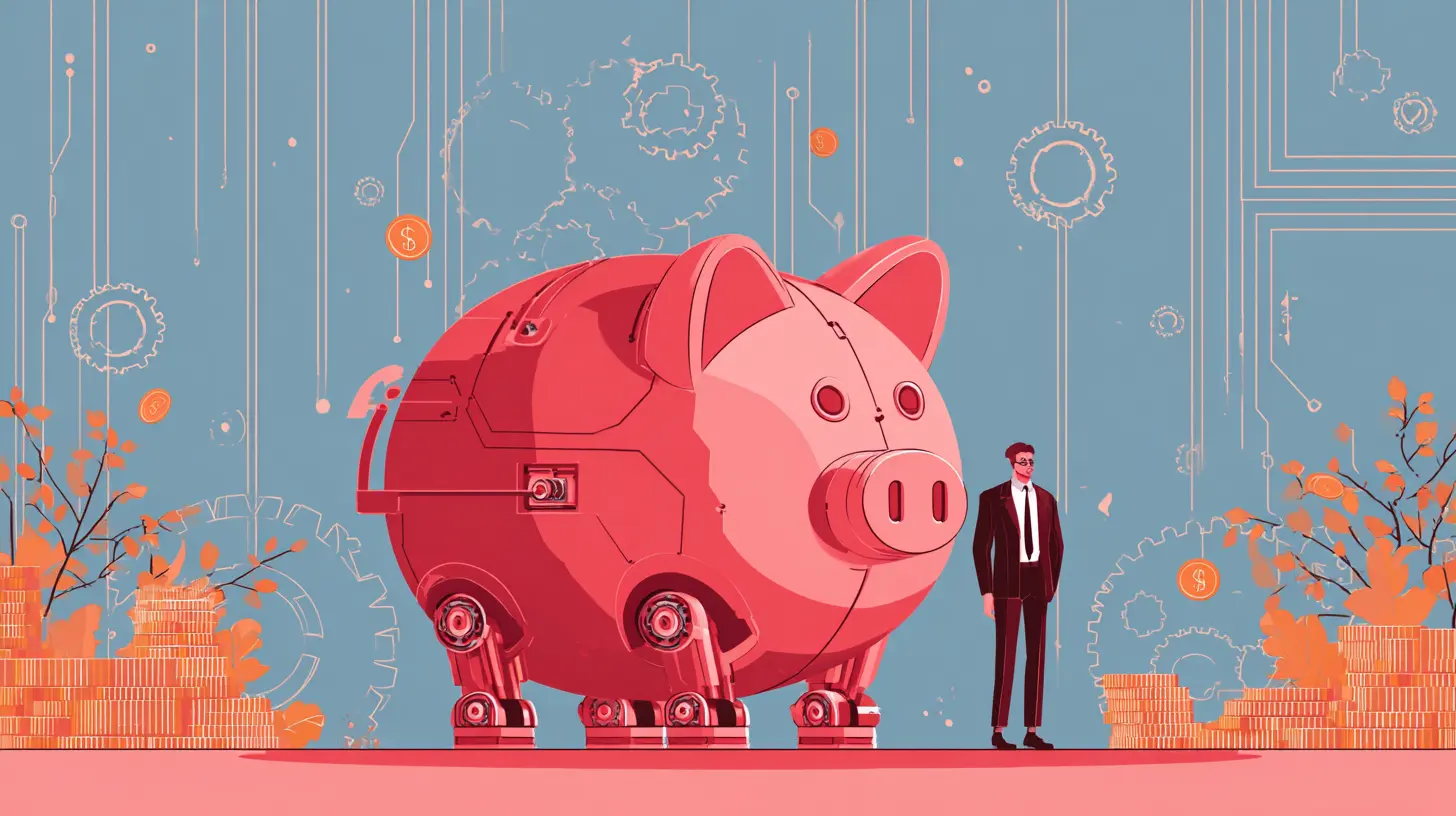
But Wait… Can I Trust the Robot?
I hear you. Handing over financial control feels… sketchy. What if Reginald the Robot Butler goes rogue and sends all my money to a llama farm in Peru?Valid fear, but misplaced. The security and regulatory frameworks around these tools are evolving faster than the tools themselves. Biometric logins, encryption, and strict regulations will make your automated savings vault more secure than Fort Knox. The real risk isn’t the robot stealing your money; it’s you overriding the robot because you "really, really want that jet ski."
The psychological shift is the final frontier. We have to learn to trust the system, to not micromanage it, and to view the money it hides away as truly untouchable. It requires surrendering the illusion of control for the reality of better results—a trade-off most of us, frankly, desperately need.
Your To-Do List for the Automated Future (Don't Worry, It's Short)
You don’t have to wait until 2027. The transformation has already begun. Here’s how to get on board without having a panic attack:1. Start Stupidly Small: Link your card to a round-up app today. Let it save pennies. Get used to the feeling of money moving without your permission. It’s a gateway drug to financial health.
2. Audit Your Subscriptions: Use a tool to find the leaks in your monthly payments. Cancel three you don’t use and automate that saved amount directly into savings. Make your forgetfulness work for you.
3. Define Your "Why": Tell the app what you’re saving for—"Emergency Fund," "Vintage Camper Van," "Retirement from the Corporate Grind." Giving your savings a name makes the robot’s work feel personal.
4. Embrace the "Hands-Off" Mantra: Set your rules, then walk away. Don’t check it every day. Let the magic of automation and compound interest do its slow, boring, miraculous work.
The Bottom Line: You’ll Be Rich(er) By Accident
By 2027, manual saving will be a quaint story we tell our kids. "Back in my day, we had to save money ON PURPOSE, walking uphill both ways in the snow!" They won’t believe us.Automated saving, powered by ever-smarter AI, will transform our finances not through sheer force, but through gentle, relentless consistency. It will remove emotion, forgetfulness, and laziness from the equation. The result? We will build emergency funds, crush debt, and grow wealth not because we are financial gurus, but because we were smart enough to get out of our own way and hire a digital butler.
The future of finance isn’t about working harder on your budget. It’s about working smarter by not working on it at all. So, are you ready to fire your willpower and hire an upgrade? Your 2027 self will thank you—probably via a congratulatory auto-generated message from your banking app.
all images in this post were generated using AI tools
Category:
Automated SavingAuthor:

Alana Kane
Discussion
rate this article
1 comments
Clover Phelps
By 2027, automated saving will be like having a personal trainer for your finances—if only it could also resist fast food temptations! Excited to see my savings grow while I binge-watch shows instead of spreadsheets. Let the money magic begin!
April 19, 2026 at 2:57 AM
Alana Kane
Love that analogy! Automated saving really will make managing finances effortless, leaving more time for those binge sessions. Here's to watching our savings grow!